AirBend
Passive Cooling Wearable
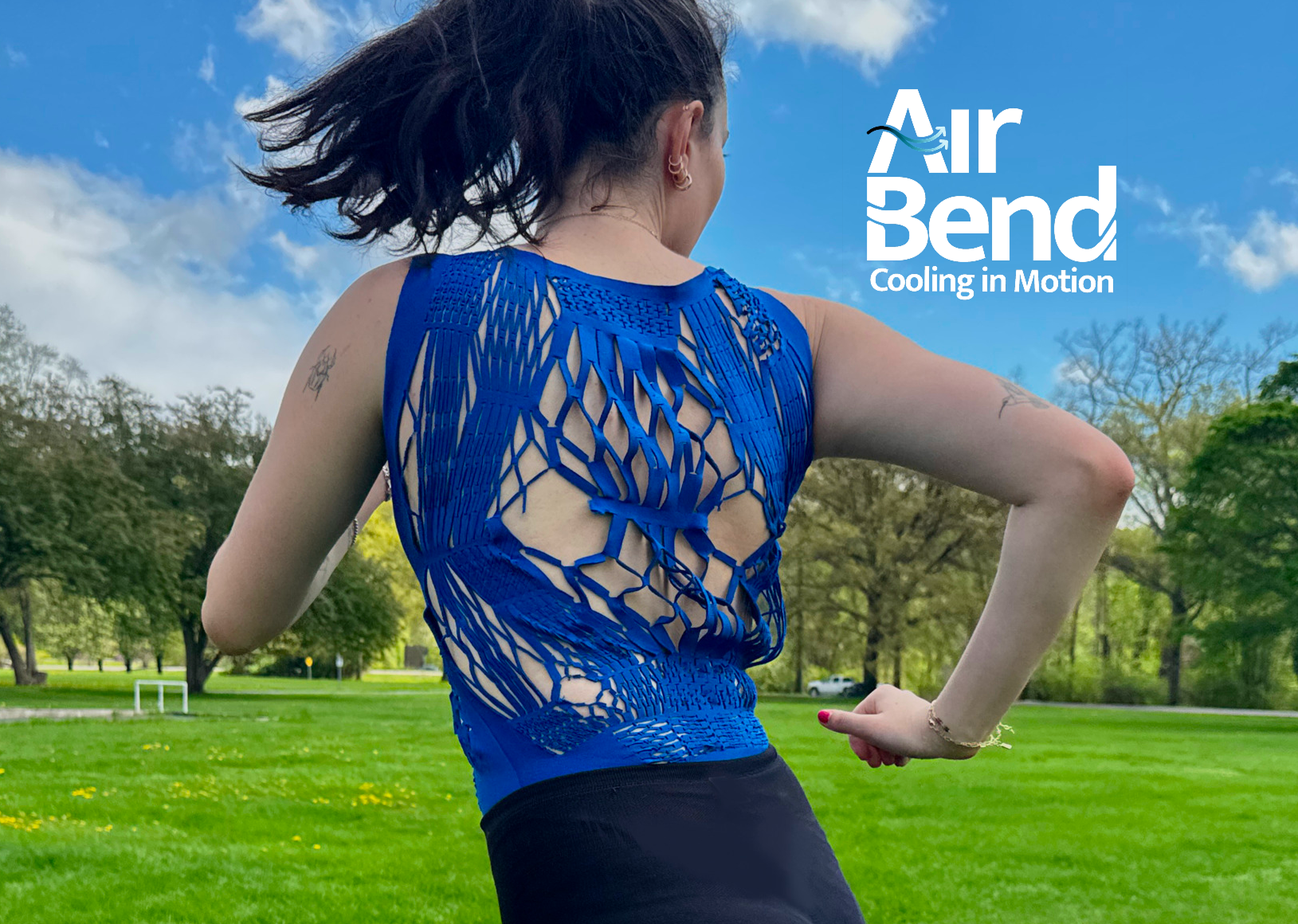
I designed AirBend to address the critical challenge of thermal discomfort in hot environments made increasingly severe by global warming. Daily heat exposure is becoming an urgent global issue, yet most cooling wearables are powered, rigid, and not built for everyday movement.
I set out to create a passive and flexible solution that cools the body through natural motion. Paired with temperature sensors and a digital app, the AirBend system makes temperature awareness personal, adaptive, and effortless.
How might we utilize the body's natural bending & motion to passively ventilate users when they are too hot?
Precedents
Passive Cooling Systems
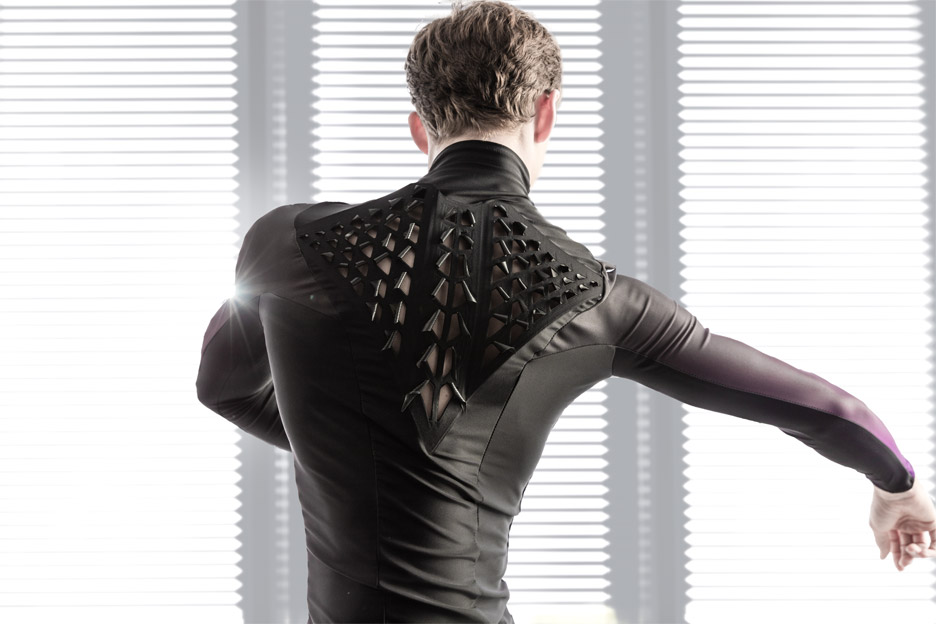
The Tangible Media Group's bioLogic project uses living Bacillus Subtilis Natto cells as nanoactuators that expand and contract in response to atmospheric moisture. Their "Second Skin" garment features bio-hybrid film that reacts to body heat and sweat, causing flaps around heat zones to open for natural ventilation. (bioLogic)
Kirigami Principles
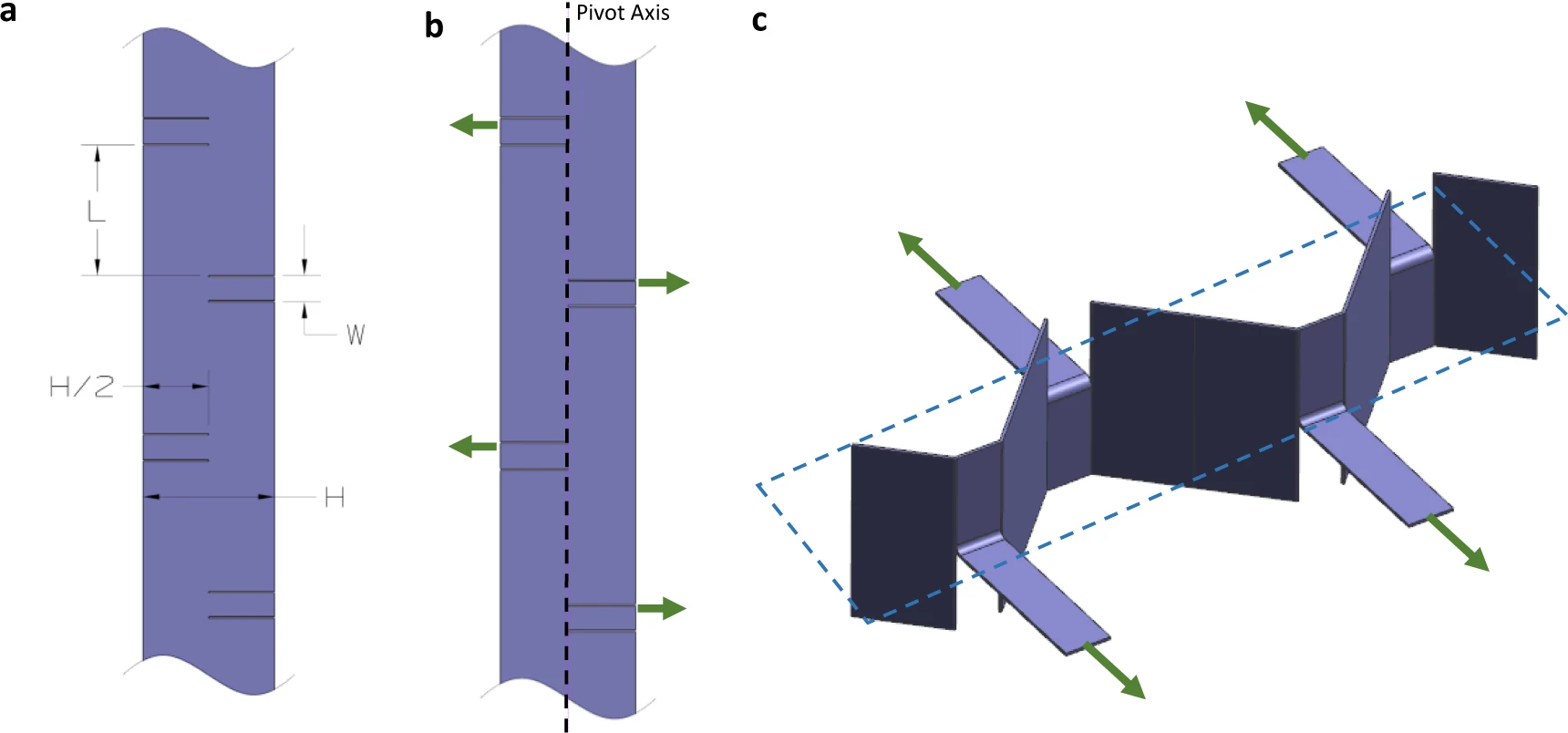
The ancient art of kirigami—paper cutting that creates 3D forms from 2D surfaces—provided the foundation for my pattern development. Strategic cuts allow flat materials to expand and transform through tension. (Corrigan et al.)
System Overview
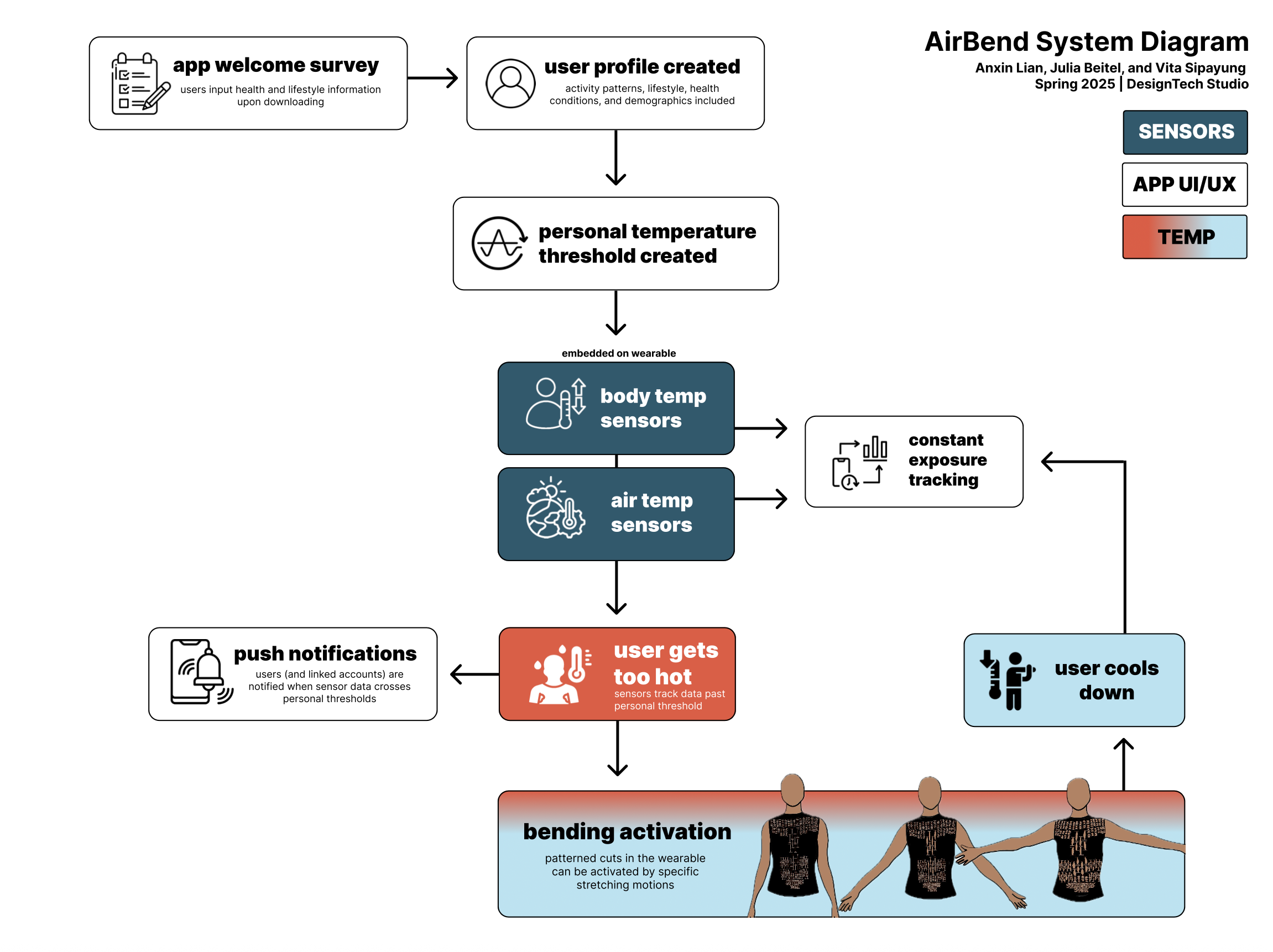
Click to view full screen
I integrated three core methods to maximize user cooling by optimizing shape-changing cut geometries on a wearable. My design process combines geometry exploration to develop kirigami-inspired cut patterns, human form mapping to align openings with high-sweat zones, and material and technology testing to evaluate fabric behavior and sensor integration.
My optimization objective was to maximize the total opening area created by cuts while ensuring the wearable conforms to the user's 3D body geometry, following body contours without causing discomfort. I prioritized opening geometries across body regions most prone to overheating, based on empirical body heat index data.
Method 1: Geometry Exploration
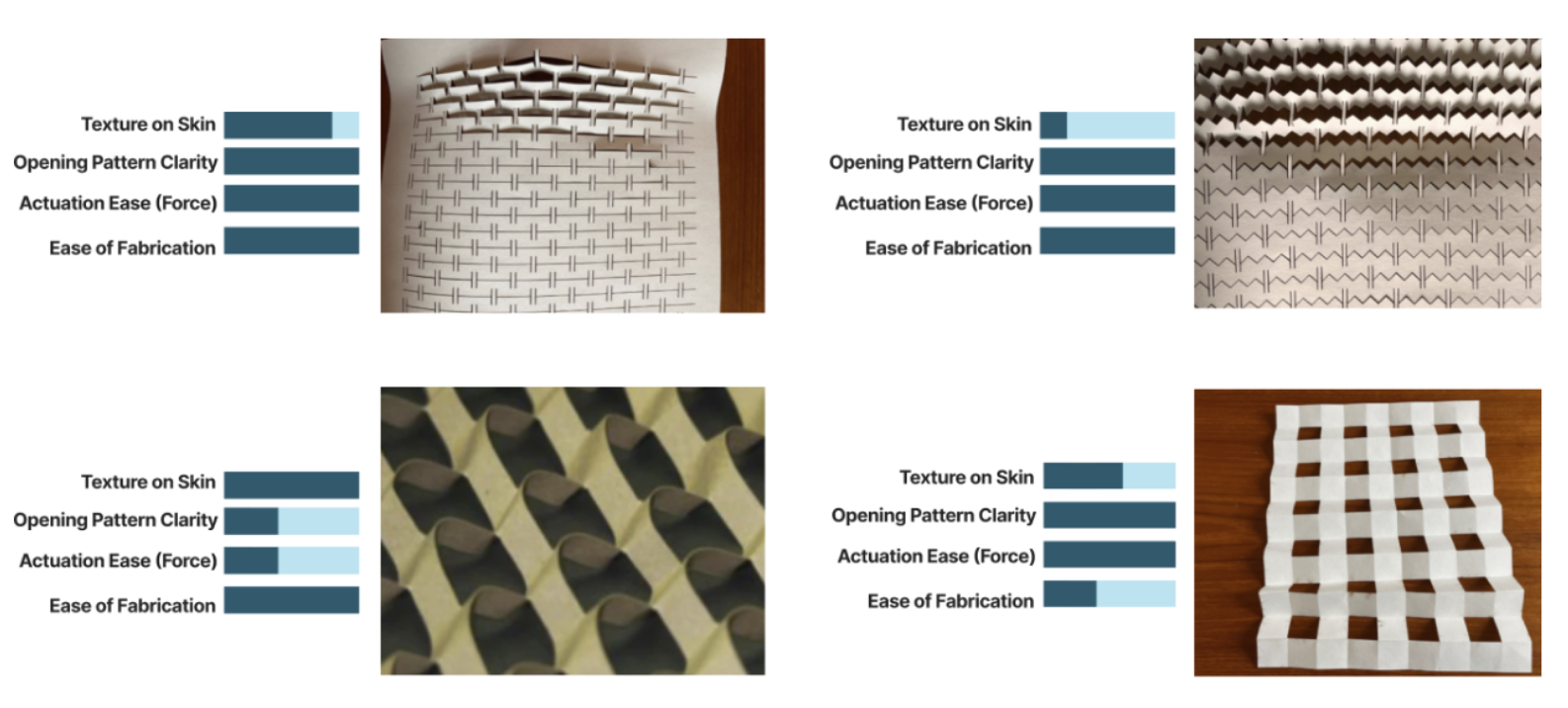
Kirigami Pattern Exploration
I began by exploring four distinct kirigami-inspired patterns, evaluating each across multiple criteria: texture on skin, opening pattern clarity, actuation ease and force, and suitability for different body regions. I scored each pattern based on these objective factors to determine which design would be most effective for passive body-cooling through natural movement. The winning pattern became the foundation for my subsequent sampling and filtering process.
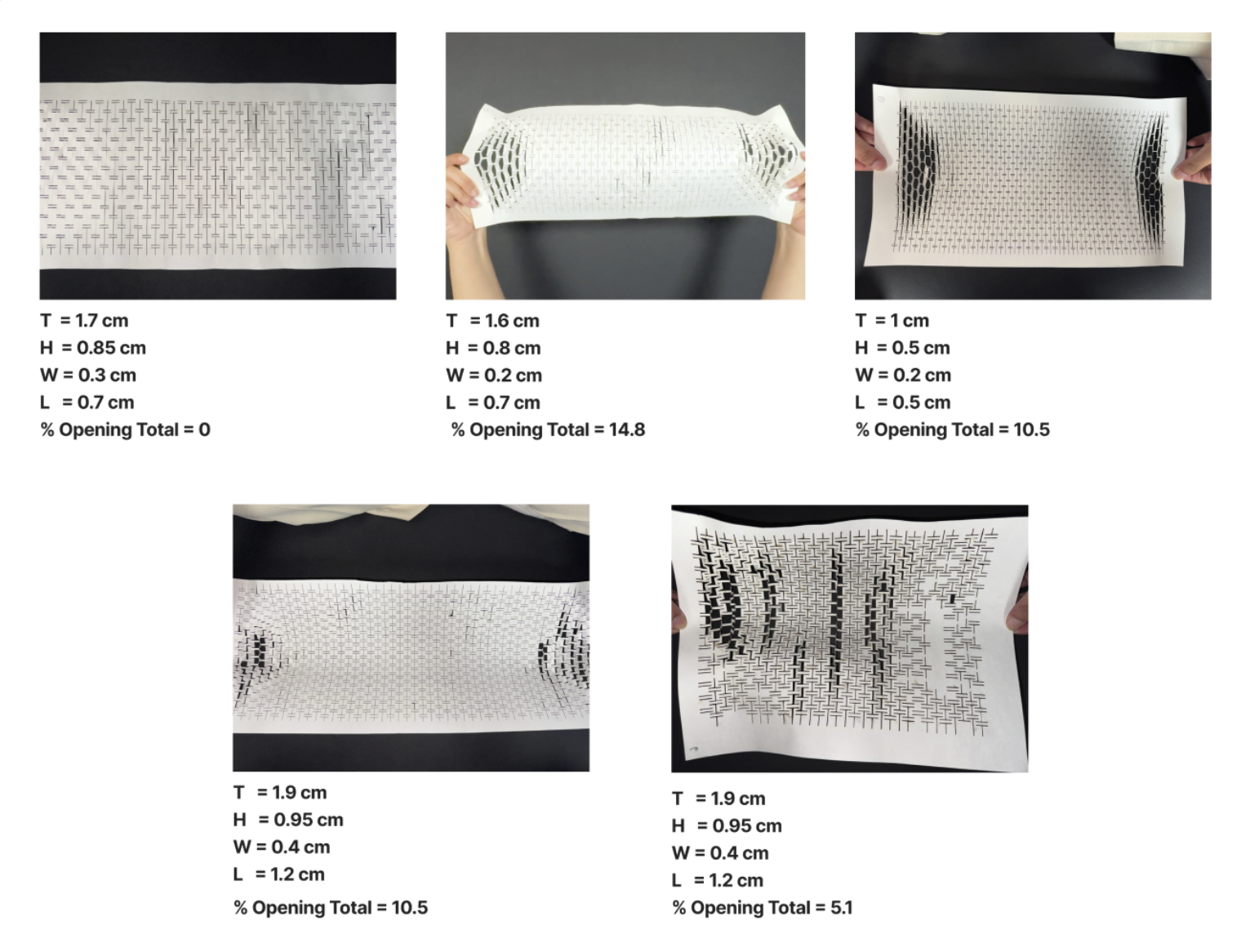
Physical Study A: Initial Sampling
I laser-cut five combinations of geometric variables (T, W, L, H) on paper to evaluate performance. Using the MulticolorEngine API, I quantified the percentage of surface opening in each configuration with color-coded overlays — separating cut area (orange) from static surface (purple). Constraints included surface area boundaries based on torso measurements and minimum cut spacing to maintain structural integrity. This revealed a positive correlation between length (L) and height (H) values and total opening area.
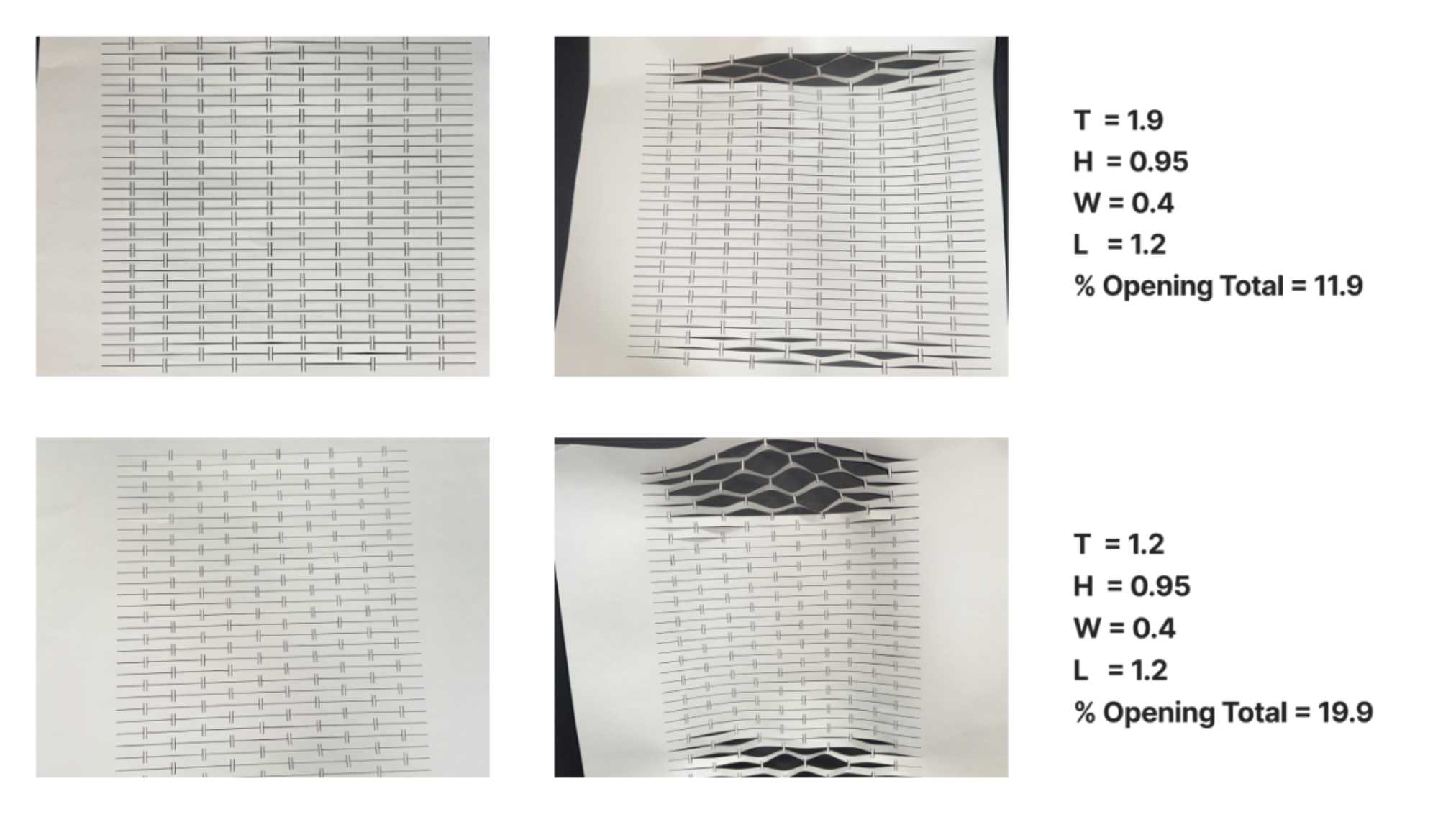
Physical Study B: Optimization
Building on my initial findings, I extended L and H values to refine the design for maximal airflow while ensuring material durability. From the first round, I established minimum threshold values necessary for effective actuation: T = 1.7 cm, H = 0.85 cm, W = 0.3 cm, L = 0.7 cm. I then tested larger values and observed fabric behavior under stretch. The optimal configuration I identified was: T = 1.2 cm, H = 0.95 cm, W = 0.4 cm, L = 1.2 cm, achieving up to 19.9% opening area when stretched.
Method 2: Human Form
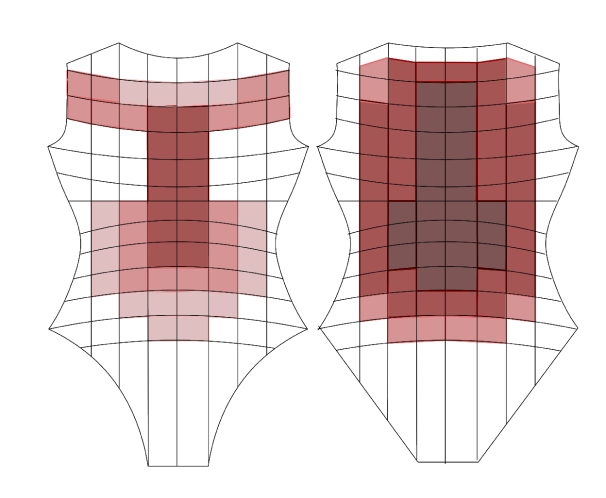
Sweat Zone Exploration
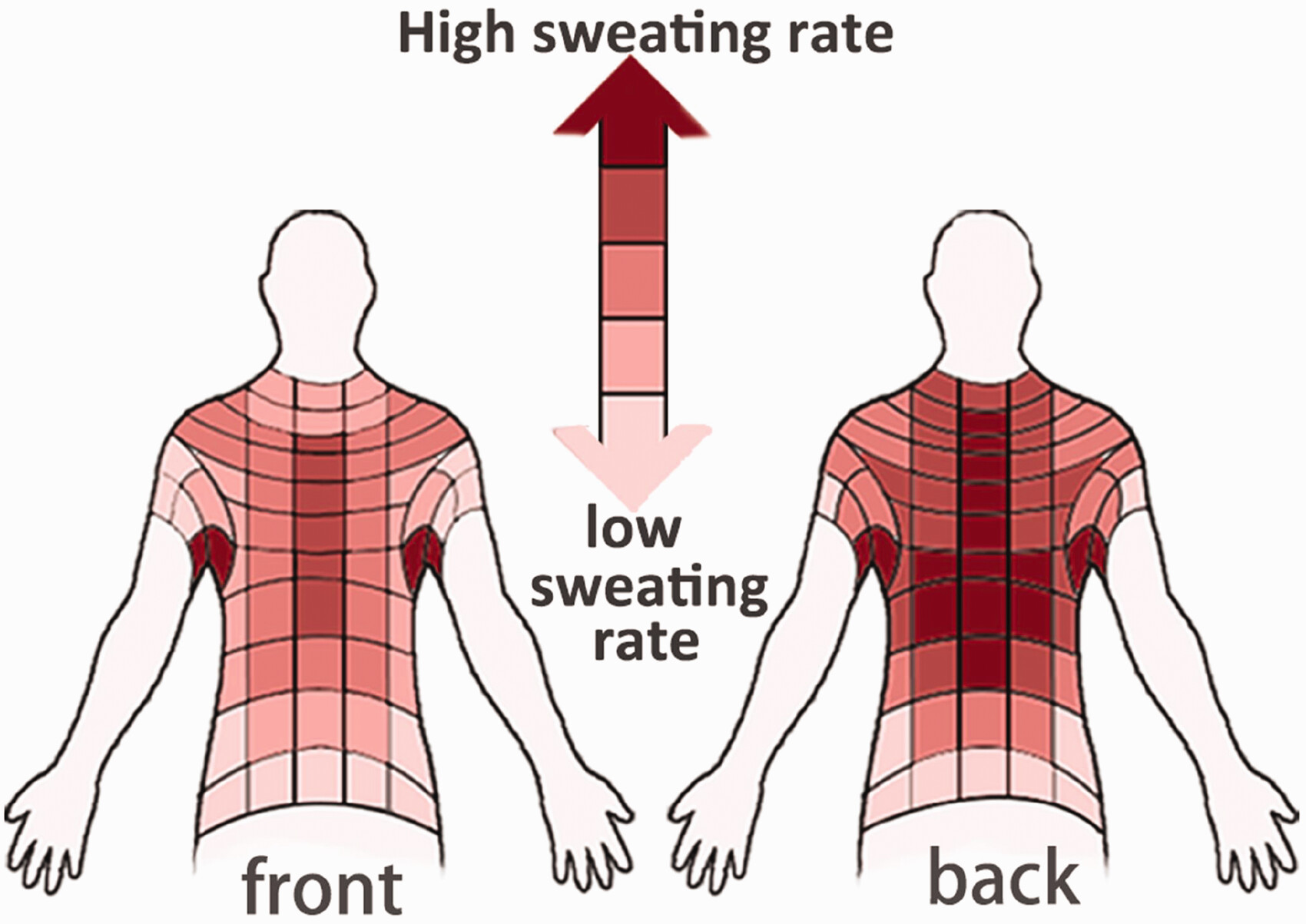
I integrated empirical data from upper body sweat maps to guide kirigami cut placement and pattern scaling. I prioritized higher sweating zones — along the middle of the chest and across the back — for larger opening scaling, and applied smaller or fewer cuts to lower sweating zones to balance ventilation with structural coverage. (Dong et al.)
Movement & Stretch Mapping
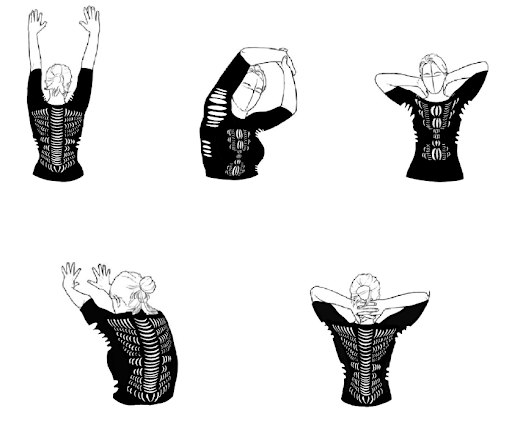
I analyzed how the torso moves during common activities — walking, reaching, bending — to identify areas of maximum fabric stretch. I cross-referenced these movement zones with sweat zones to determine optimal cut placement that would actuate naturally during daily motion.
Applying Pattern to Bodysuit
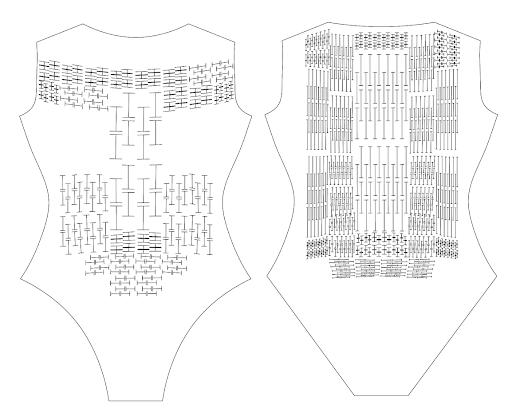
Using Grasshopper, I established a standard bodysuit geometry and assigned zones correlating to body heat maps. I standardized the optimized pattern based on a basic unit that could be imported and scaled based on specified zone geometries. I scaled the kirigami cut geometries across sweating zones and morphed them to accommodate the 3D curvature of the human body — aligning certain zones off from 90-degree orientations to conform to the bodysuit's curves and body contours.
Method 3: Material & Technology
Temperature Sensor Testing
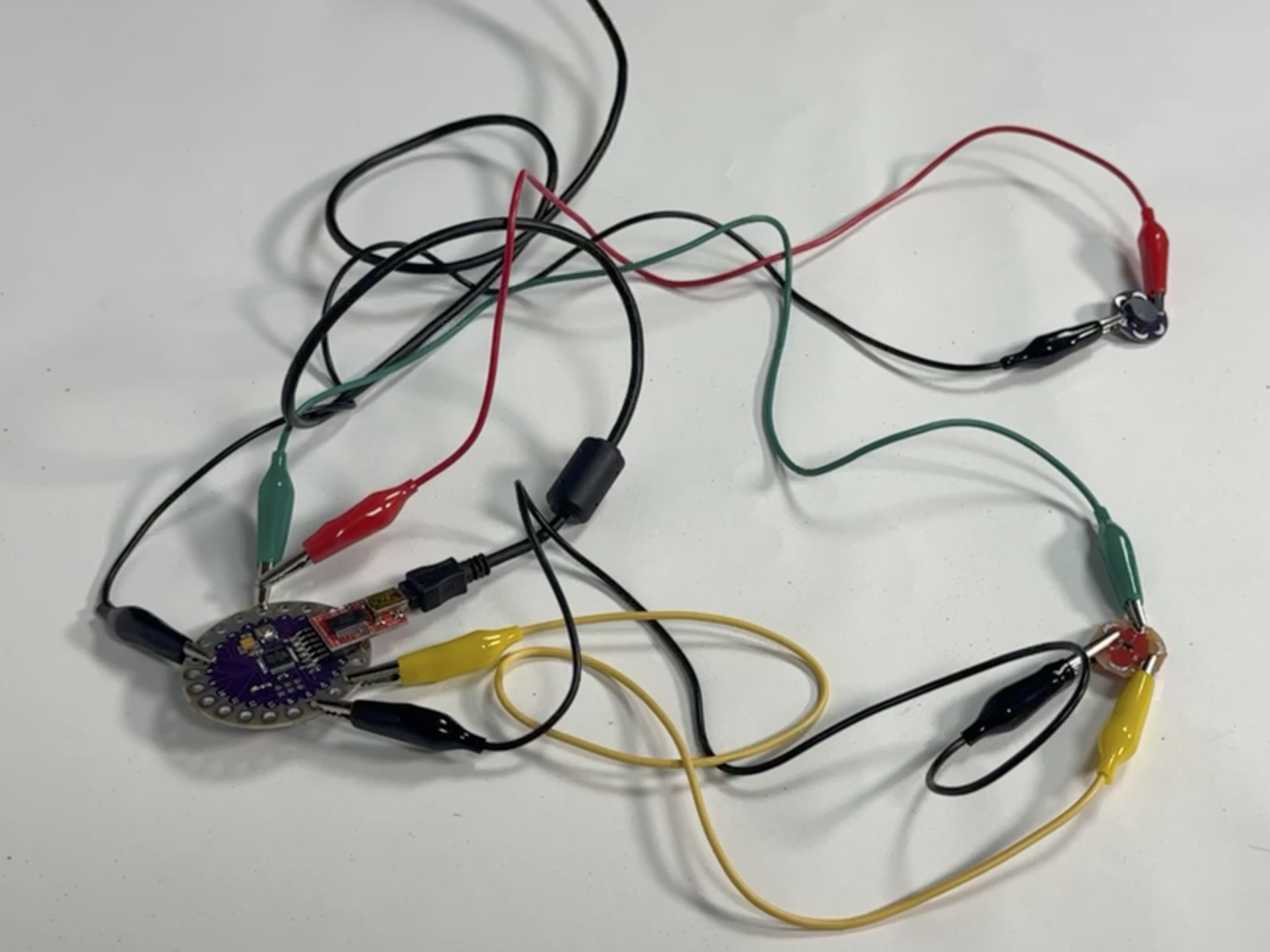
I tested LilyPad Arduino sewable electronics with embedded temperature sensors to enable real-time heat monitoring. I evaluated multiple sensor placements to capture body temperature variations across sweat zones. The sensors connect to the mobile app via Bluetooth, feeding personalized heat data to the user interface.
Material Testing
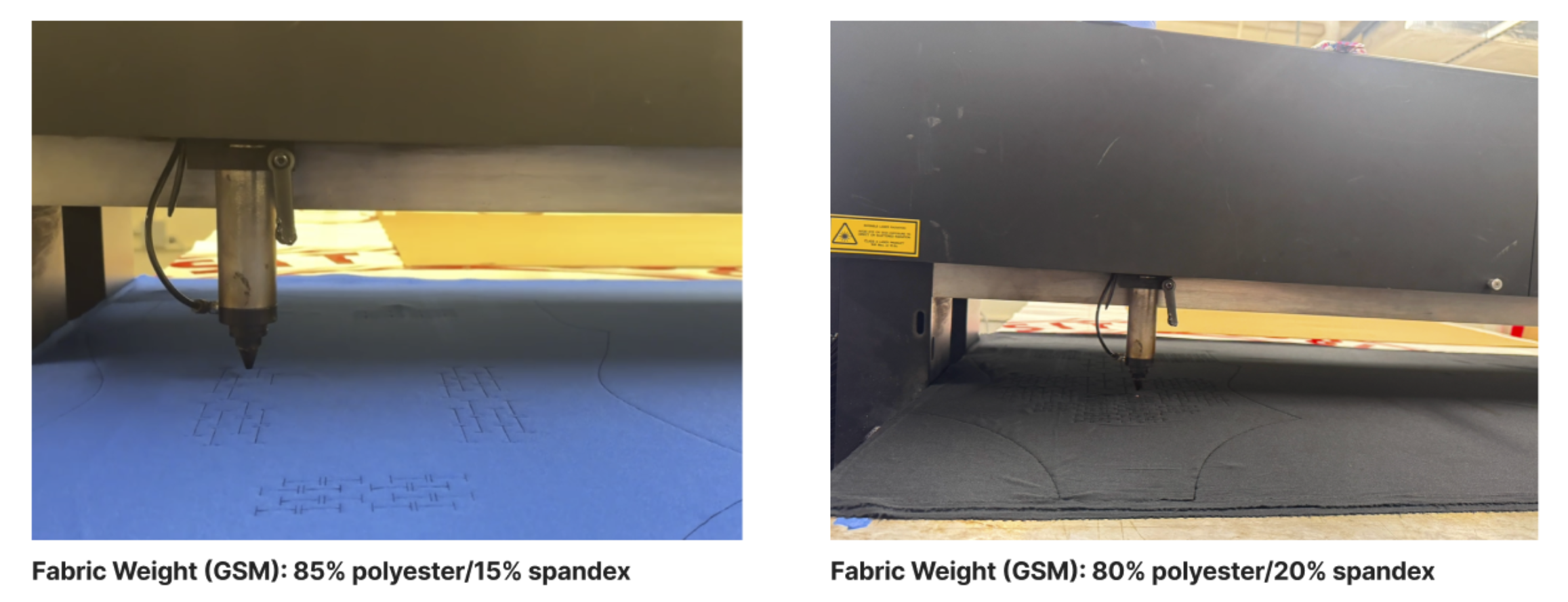
I conducted CNC laser cutting tests on two poly-blend fabrics: 85% polyester/15% spandex (blue) and 80% polyester/20% spandex (black). I selected the blue polyblend for the final prototype because it provided the desired stretch, was not see-through, maintained structural integrity, and had better recovery after repeated stretching.
Integrated App Interface
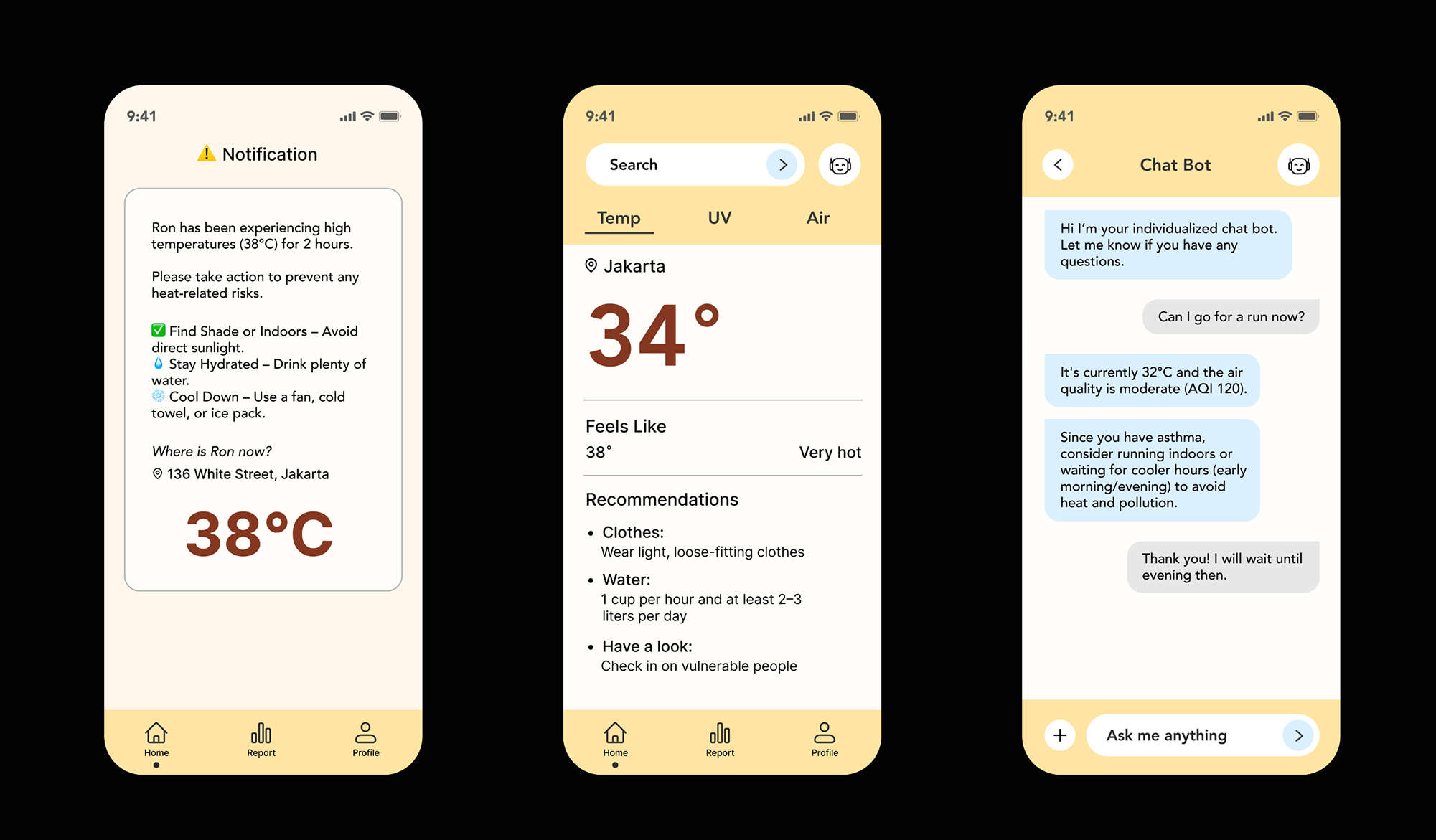
I designed the companion mobile app to collect user information — age, health conditions, activity levels — to determine heat sensitivity and set customized alerts. Sign-up pages establish individual temperature thresholds, the profile page stores health data, the monitoring dashboard provides real-time temperature tracking, and the notification system triggers alerts and sends warnings to both users and linked caregiver accounts when extreme heat is detected.
Final Prototype Fabrication
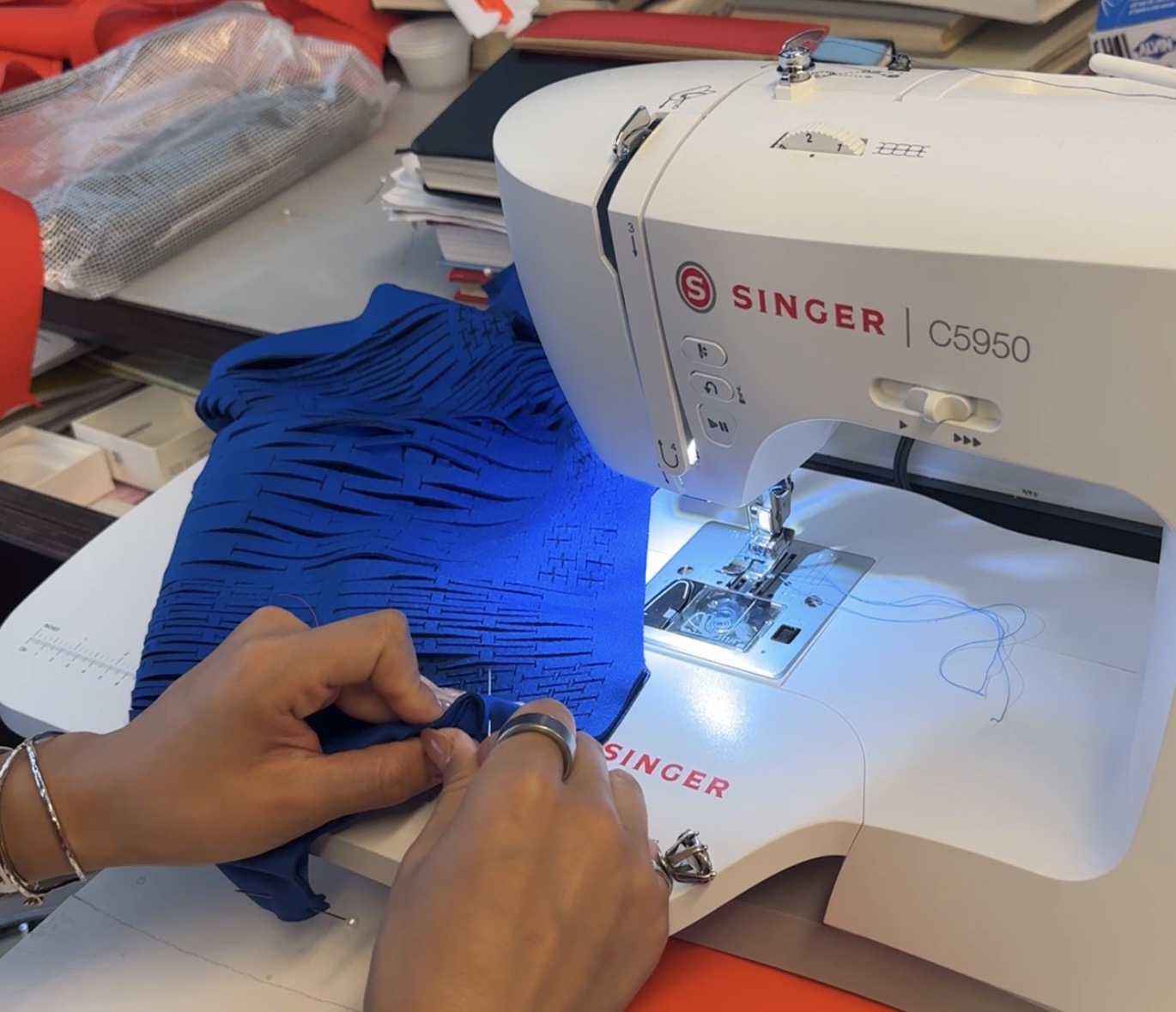
I laser-cut the final 1:1 scale bodysuit pattern using CNC machines in the College of Human Ecology on a stretchy and lightweight polyblend material. I selected the blue fabric (85% polyester/15% spandex) for its desired stretch, opacity, structural integrity, and better recovery after repeated stretching compared to the black alternative. I sewed the pieces together using a simple straight line stitch along the top and side seams, leaving the armholes and bottom open to maintain the fabric's stretch and flexibility while preserving the integrity of the kirigami cut design.
Technical Documentation Click images to view larger
Section Drawing
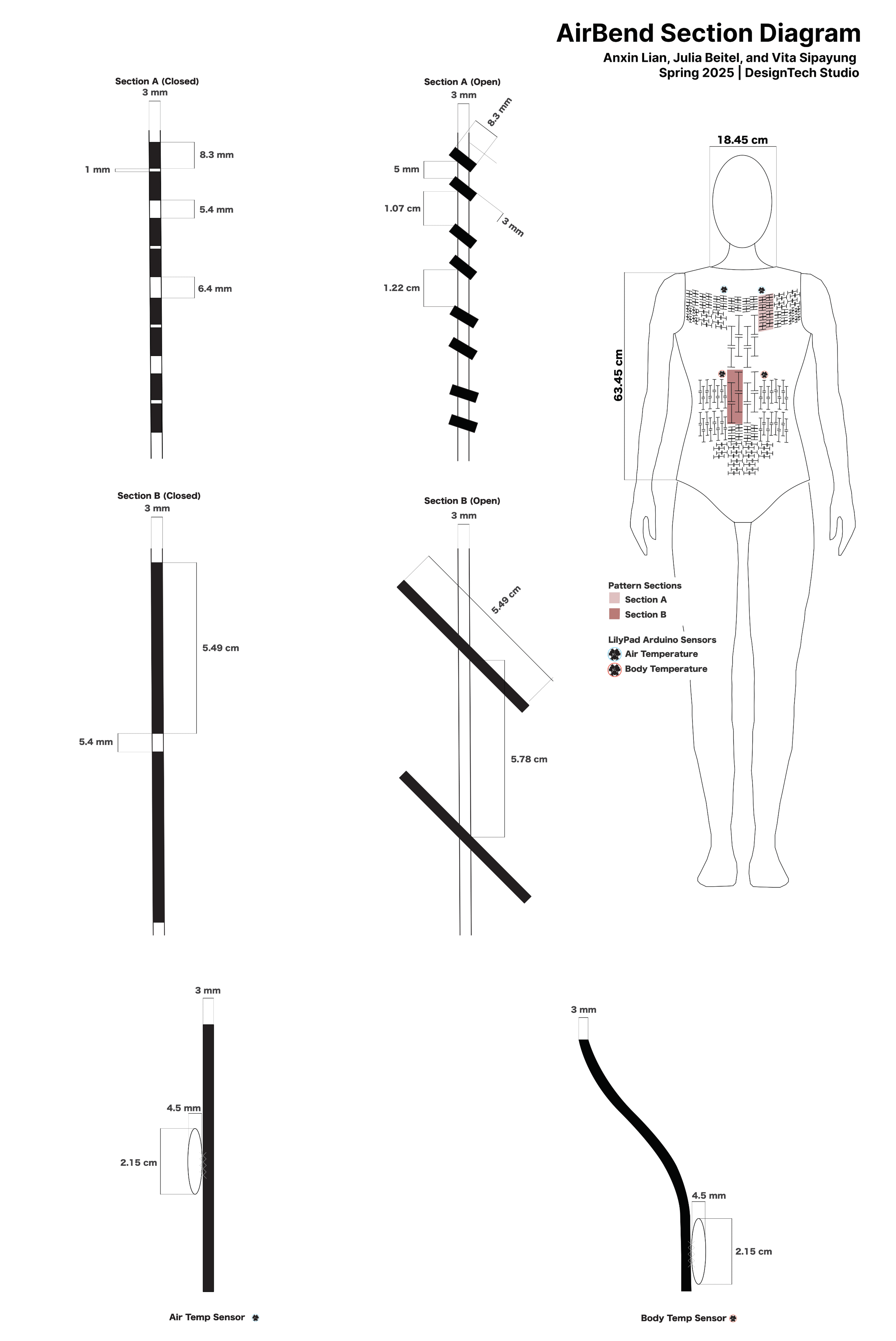
The section drawing reveals the relationship between the outer fabric layer with kirigami cuts, the embedded temperature sensor network, and the inner comfort layer. I placed cuts strategically to maximize airflow while maintaining structural integrity across high-movement zones.
Assembly Drawing
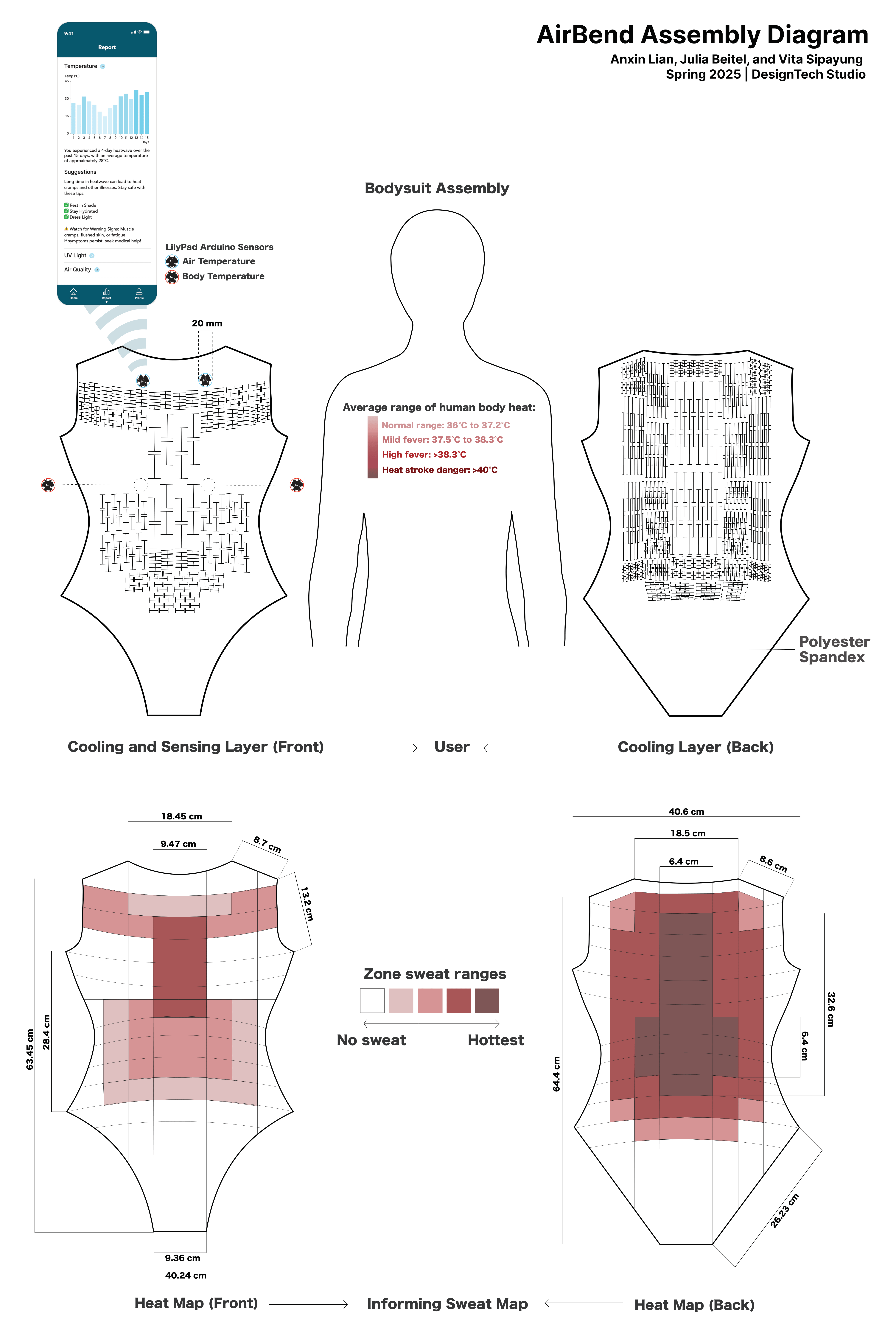
The assembly sequence shows how I brought the front and back bodysuit panels together, where I embedded sensors, and how the pattern pieces align to create continuous ventilation channels across sweat zones. The modular approach allows for future customization based on individual body measurements.
Final Prototype
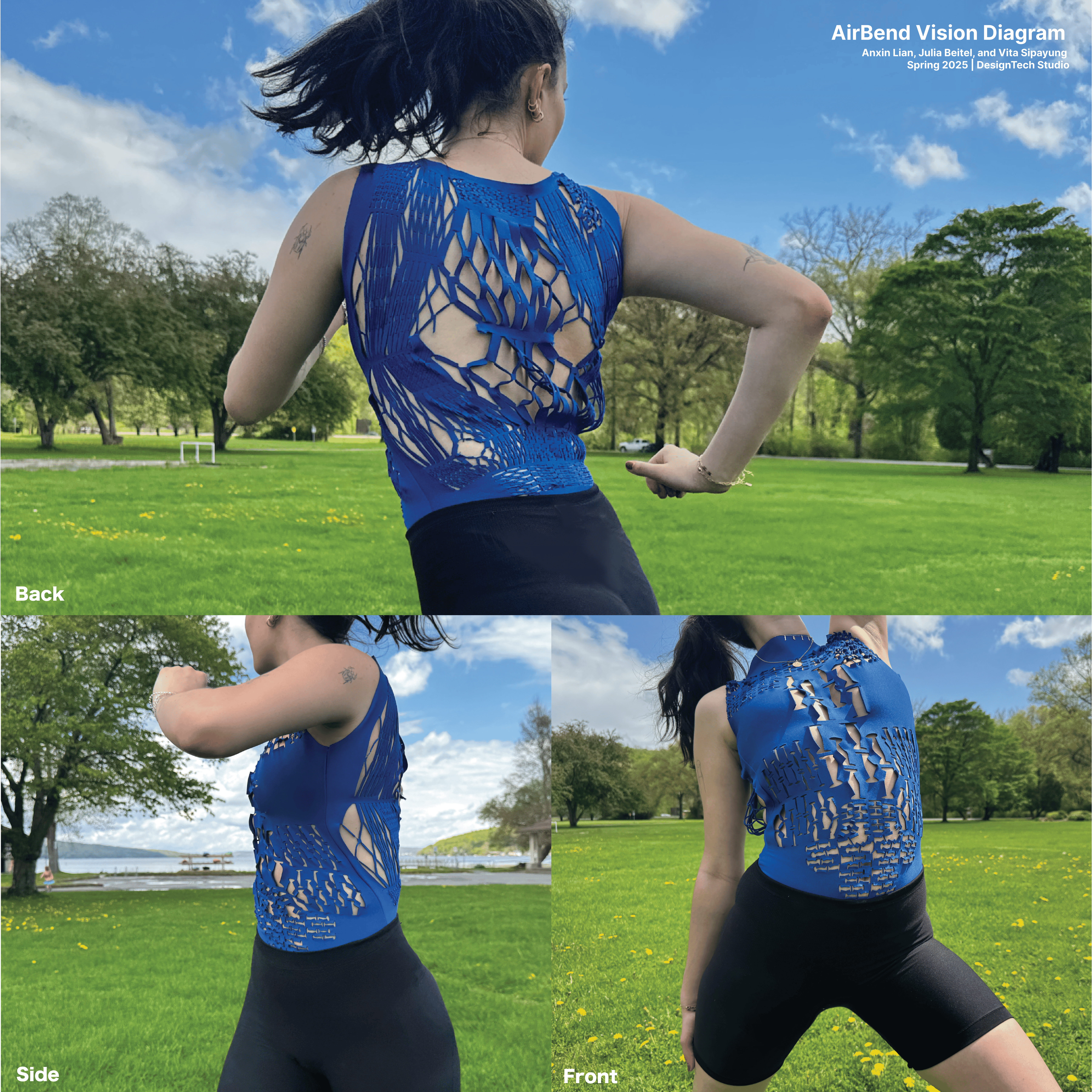
The final prototype demonstrates the passive cooling wearable in action. Through iterative physical studies and computational mapping, I integrated kirigami-inspired cut patterns that open in response to natural body movement during exercise, providing ventilation exactly when and where users need it most.
Future Explorations
While the final prototype demonstrated promising optimization results, limited time for physical fabric prototyping leaves room for future improvements in design development and fabric testing to enhance user comfort and bending activation. Future work would involve testing the optimized cut pattern across a variety of stretchy and breathable fabrics using CNC fabric cutting to validate these findings. Designing for multiple body sizes would enable personalized optimization of bodysuit patterns to accommodate a broader range of users. Real-world wear testing across different climates would further validate the proof-of-concept for passive bending activation and maximized user cooling.