BuzzFinder
Wearable Haptic Assistive Device
Overview
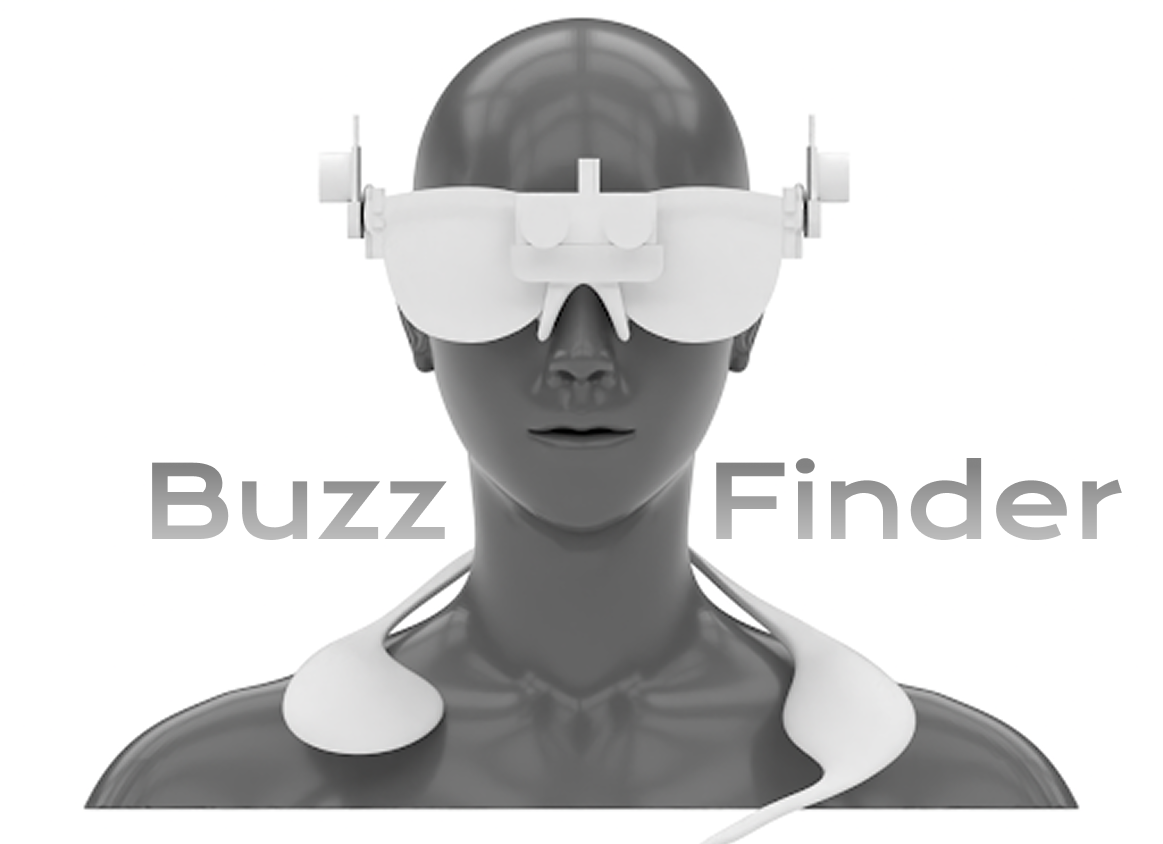
BuzzFinder is a rapid prototyping exploration of how physical computing and telepresence can extend the capabilities of individuals with vision impairment. Using MQTT, I built a two-part wearable: glasses embedded with ultrasonic sensors on the front, left, and right sides, and a necklace with three corresponding vibration motors for real-time directional haptic feedback.
I conducted user testing with visually impaired individuals, which directly shaped the form factor — placing vibration output on a necklace rather than the hands keeps the device from limiting other critical sensing capabilities. The project raised important questions about how AI tools can accelerate assistive technology prototyping, and reinforced the importance of centering lived experiences from the start, not as an afterthought.
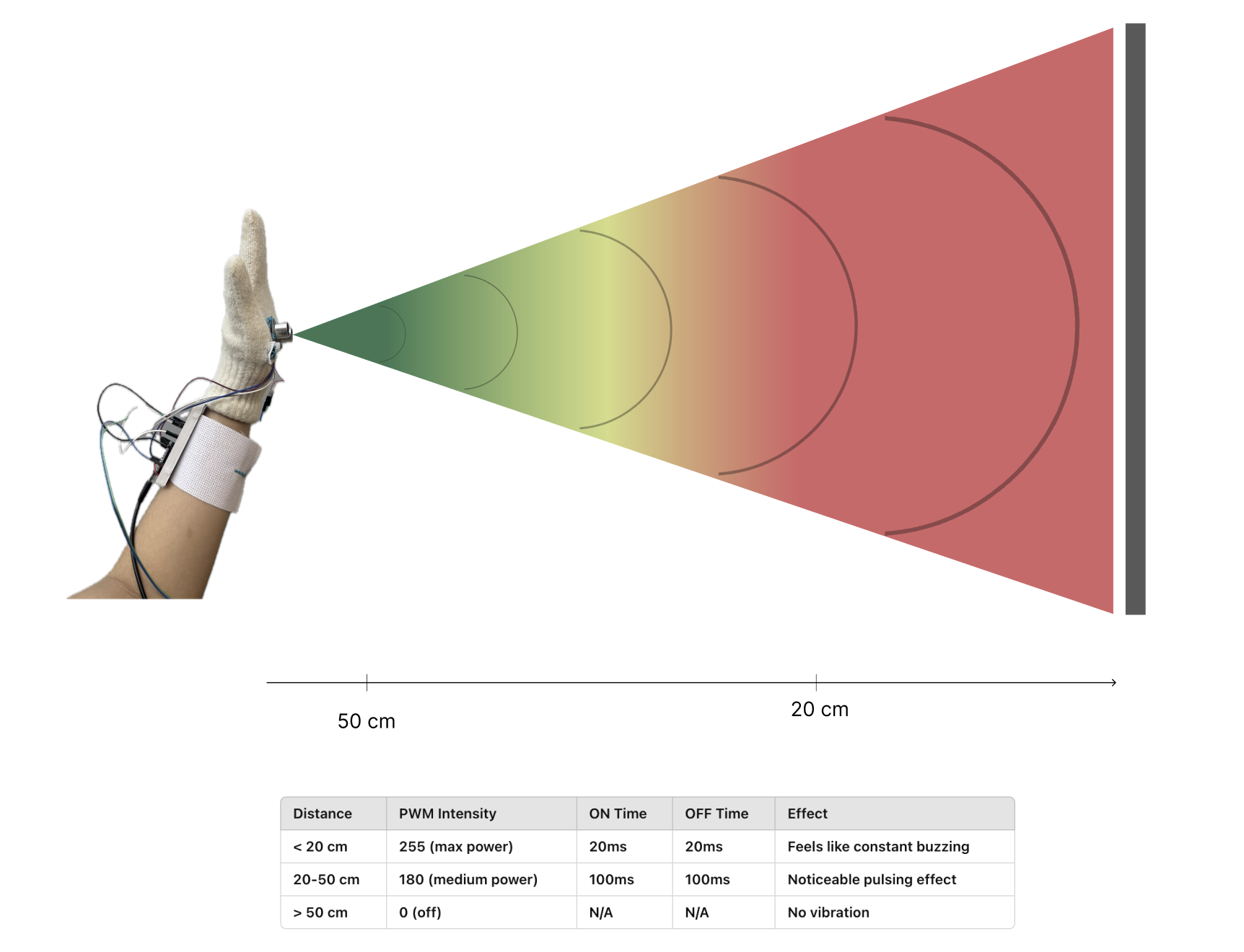
Distance-to-vibration mapping: intensity increases as objects approach, pulsing at <20cm
I mapped distance data from the ultrasonic sensors directly to vibration intensity — the closer an object, the stronger the vibration. At under 20cm, I programmed the motors to pulse in a distinct warning pattern to signal immediate proximity. When no objects are in range, the device stays dormant, reducing unnecessary sensory noise.
I drew isometric and exploded views of each device in Illustrator to show how each component is assembled.
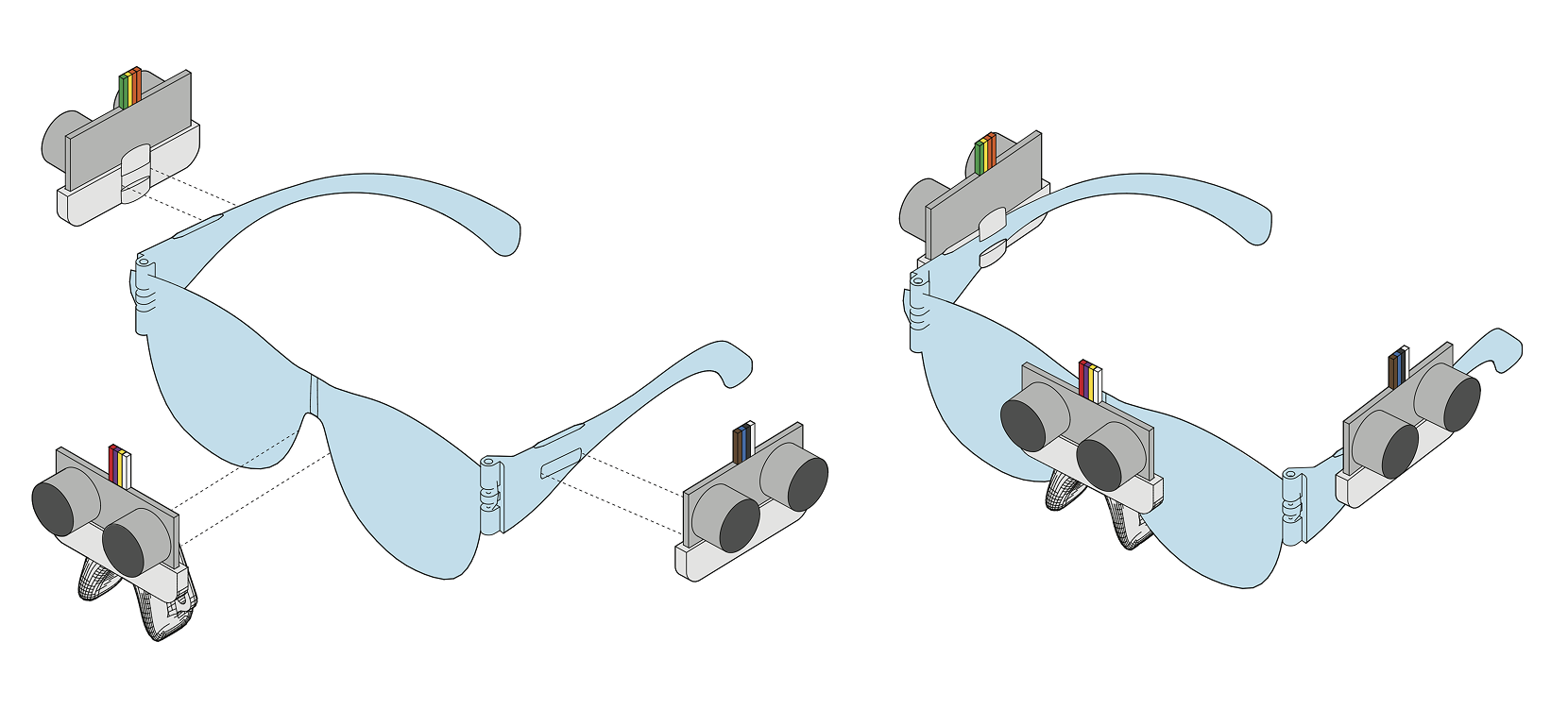
Glasses — ultrasonic sensor assembly
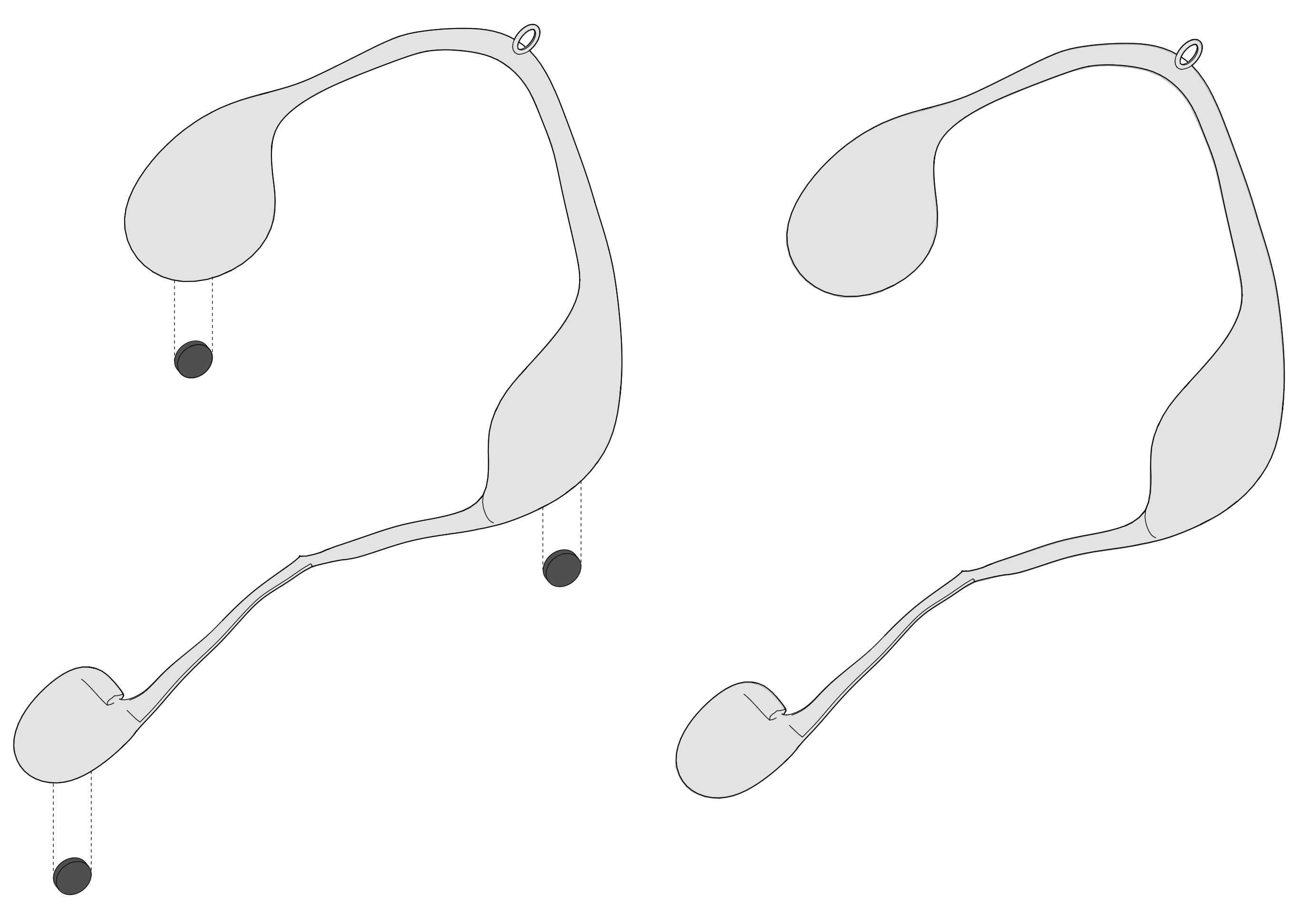
Necklace — vibration motor assembly
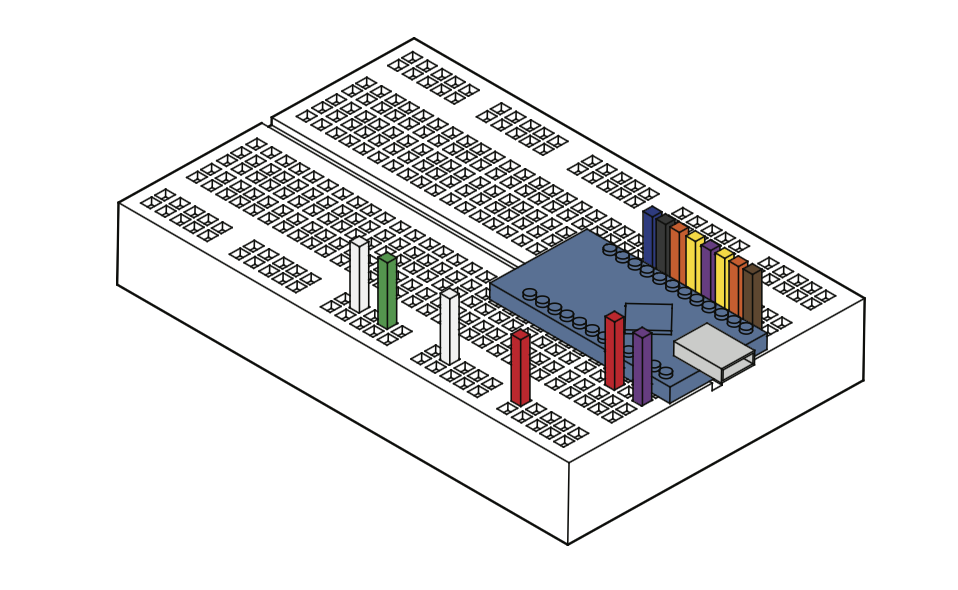
Full breadboard connections
I built the prototype around an Arduino microcontroller connected to HC-SR04 ultrasonic sensors and ERM mini vibration motors. I wrote the hardware logic and MQTT communication code using AI vibe coding tools including Claude Code and ChatGPT, which significantly accelerated the rapid prototyping process. The MQTT broker enabled the telepresence loop between the sensing glasses and the vibrating necklace output.
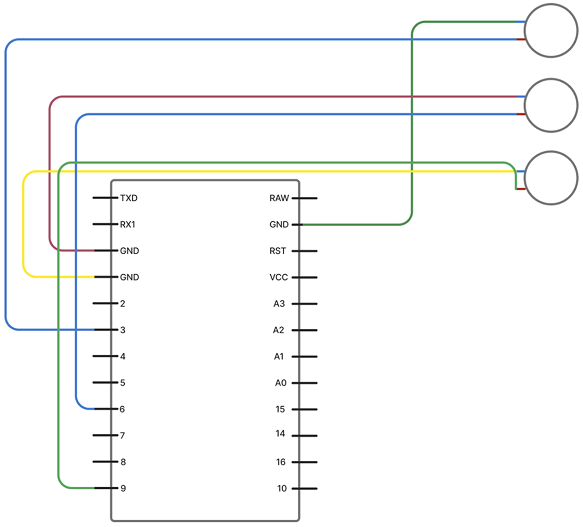
Breadboard schematic — ultrasonic sensor connections
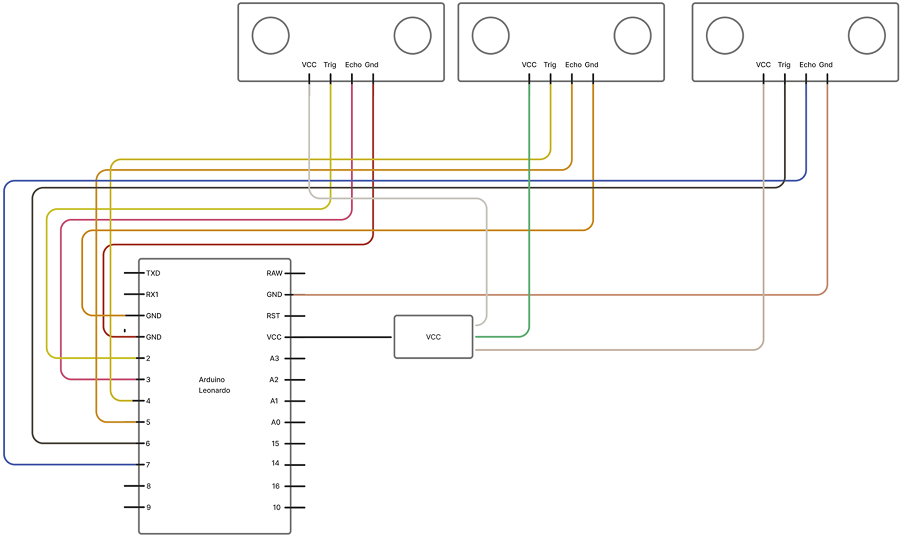
Breadboard schematic — vibration motor connections
Final Model
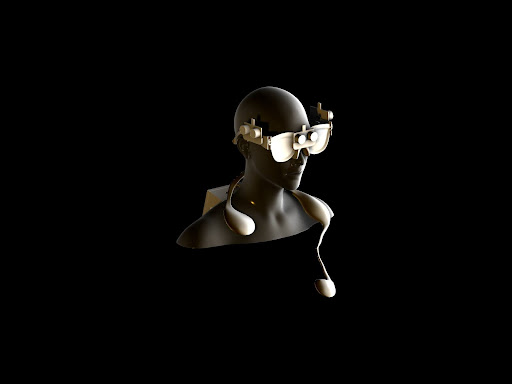
I designed and modeled both wearable components in Rhino, integrating sensor and motor placements into the glasses and necklace form factors while keeping both low-profile and unobtrusive.
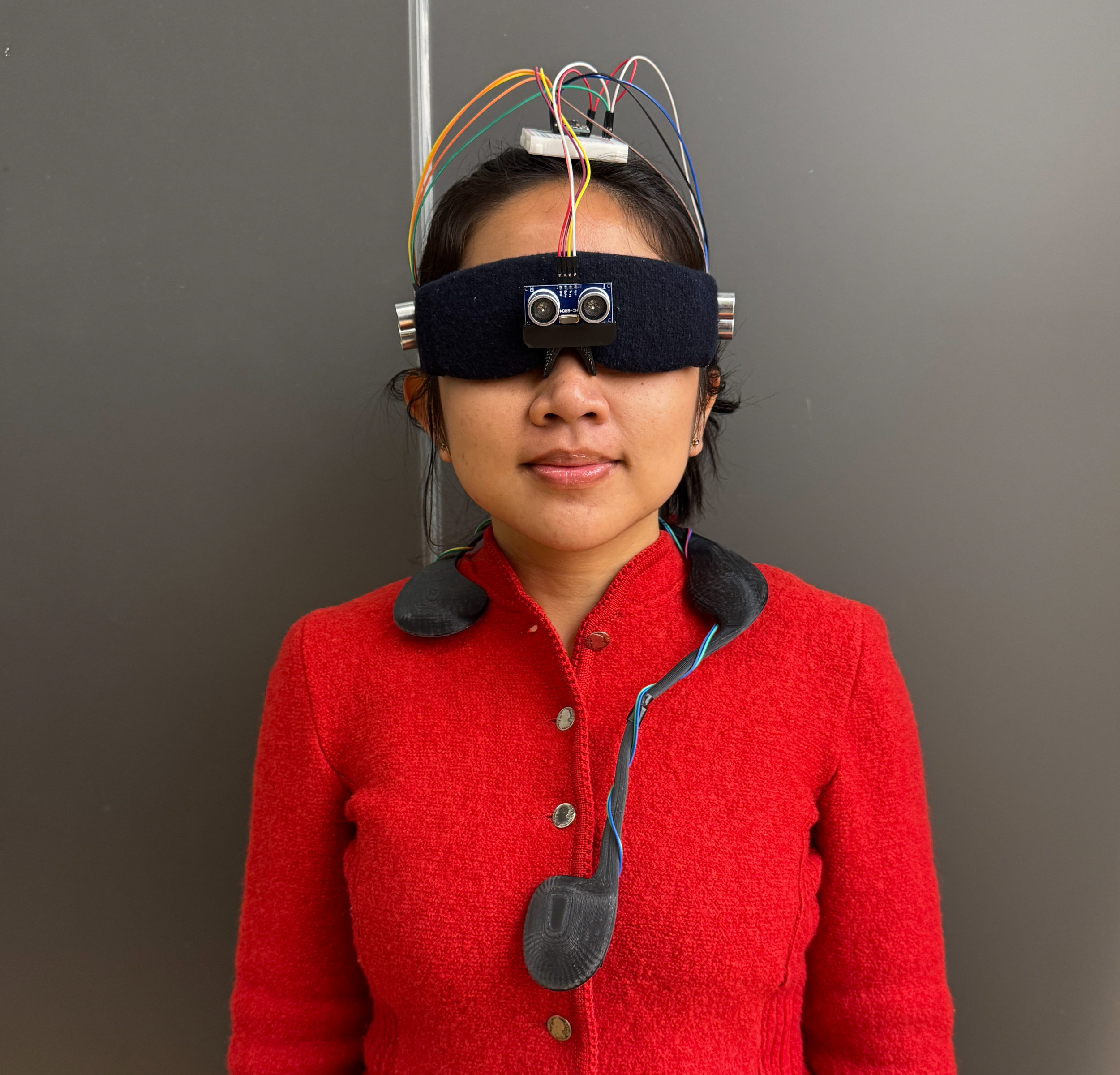
I 3D printed both components and assembled the device, connecting the ultrasonic sensors to the glasses frame and the vibration motors into the necklace housing.