State of Knowledge
Understanding Impulse Shopping & Behavioral Change
The Psychology of Impulse Fashion Purchasing
Online fashion purchasing leverages dopamine-driven reward cycles, identity construction through consumption, and FOMO. Frictionless commerce compresses decision windows to seconds, bypassing reflective cognition.
Key Research Insights
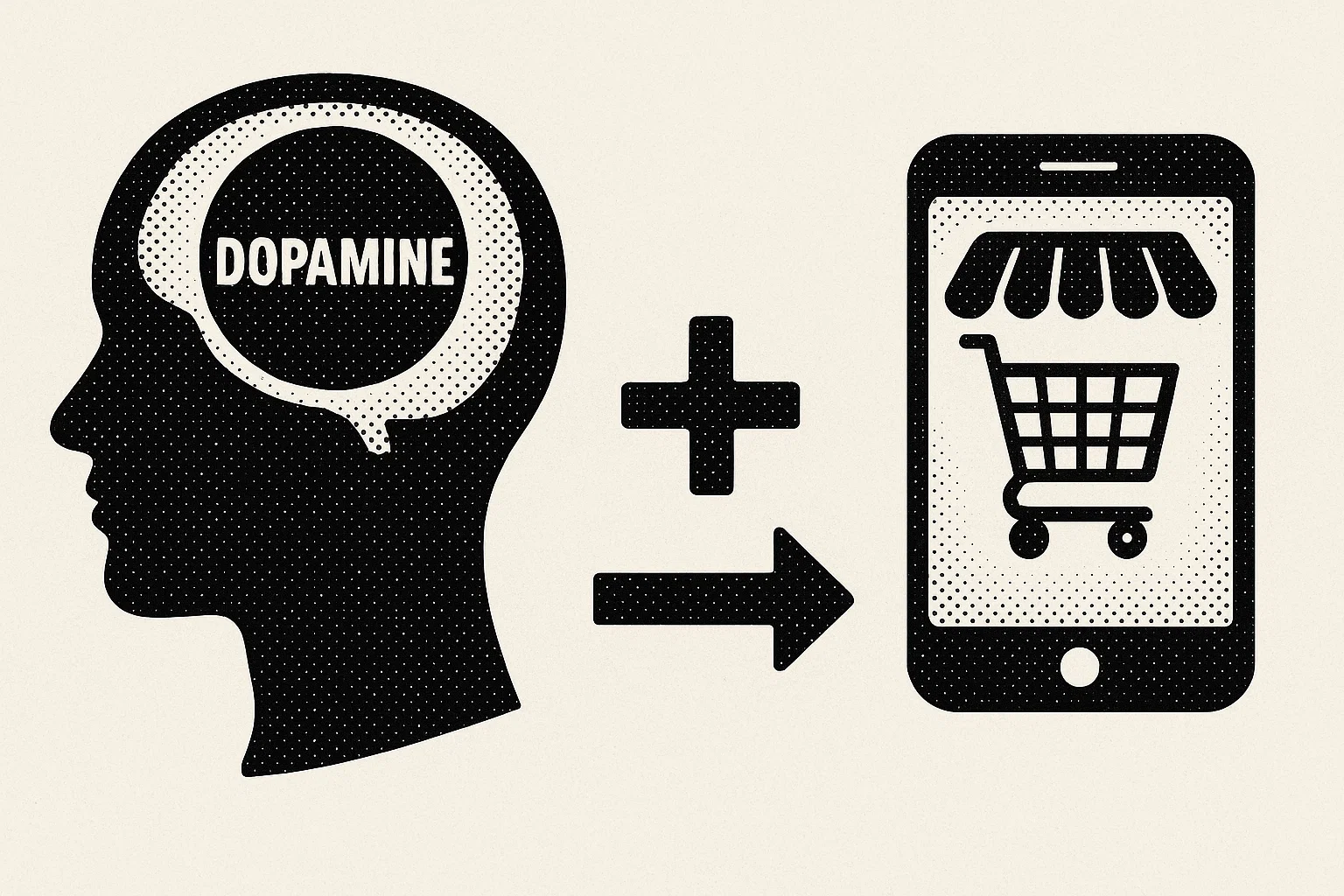
Retail Therapy as Coping
Temporary dopamine hits create addiction-like patterns.
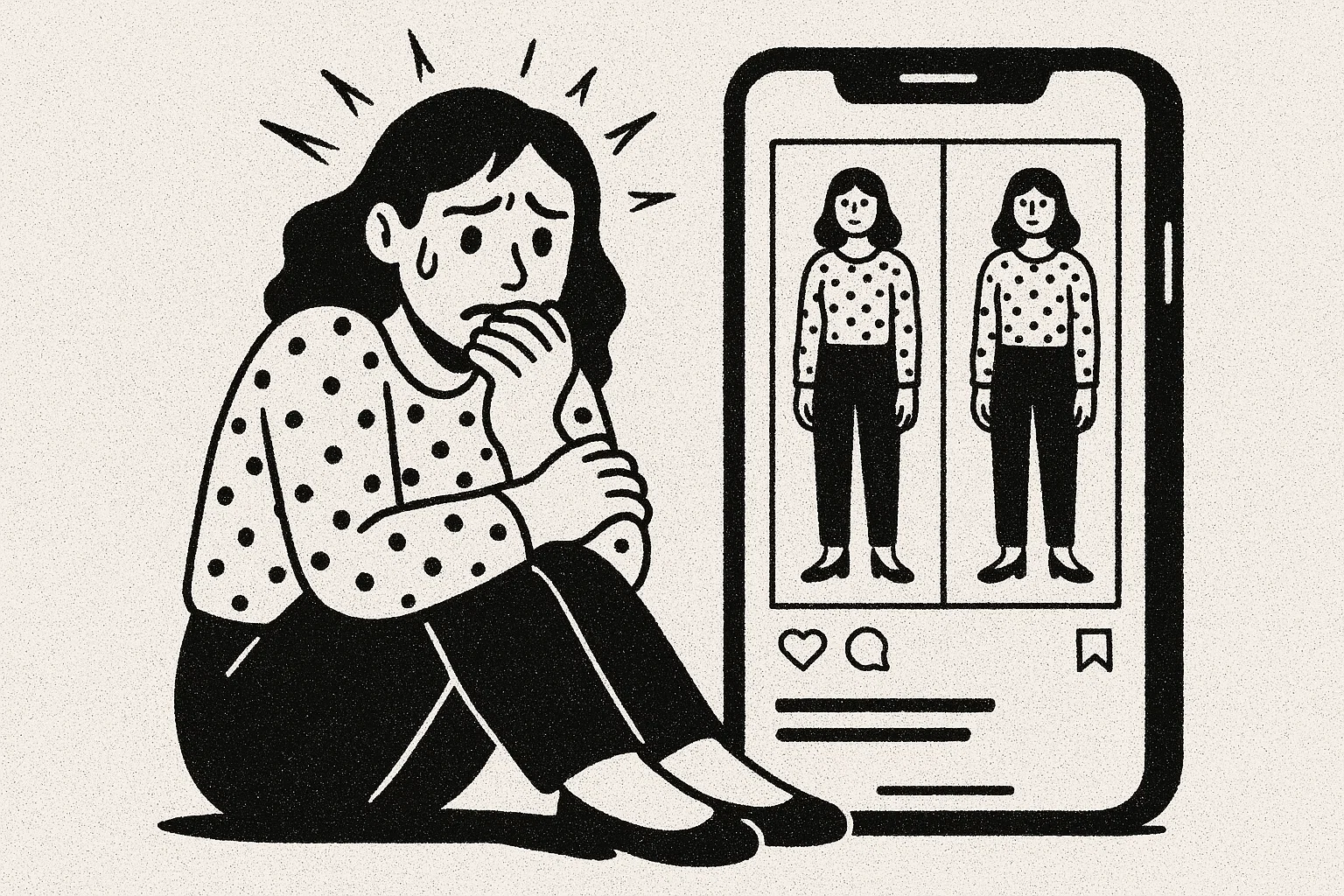
Social Media Amplification
Pressure to avoid outfit repetition drives novelty.
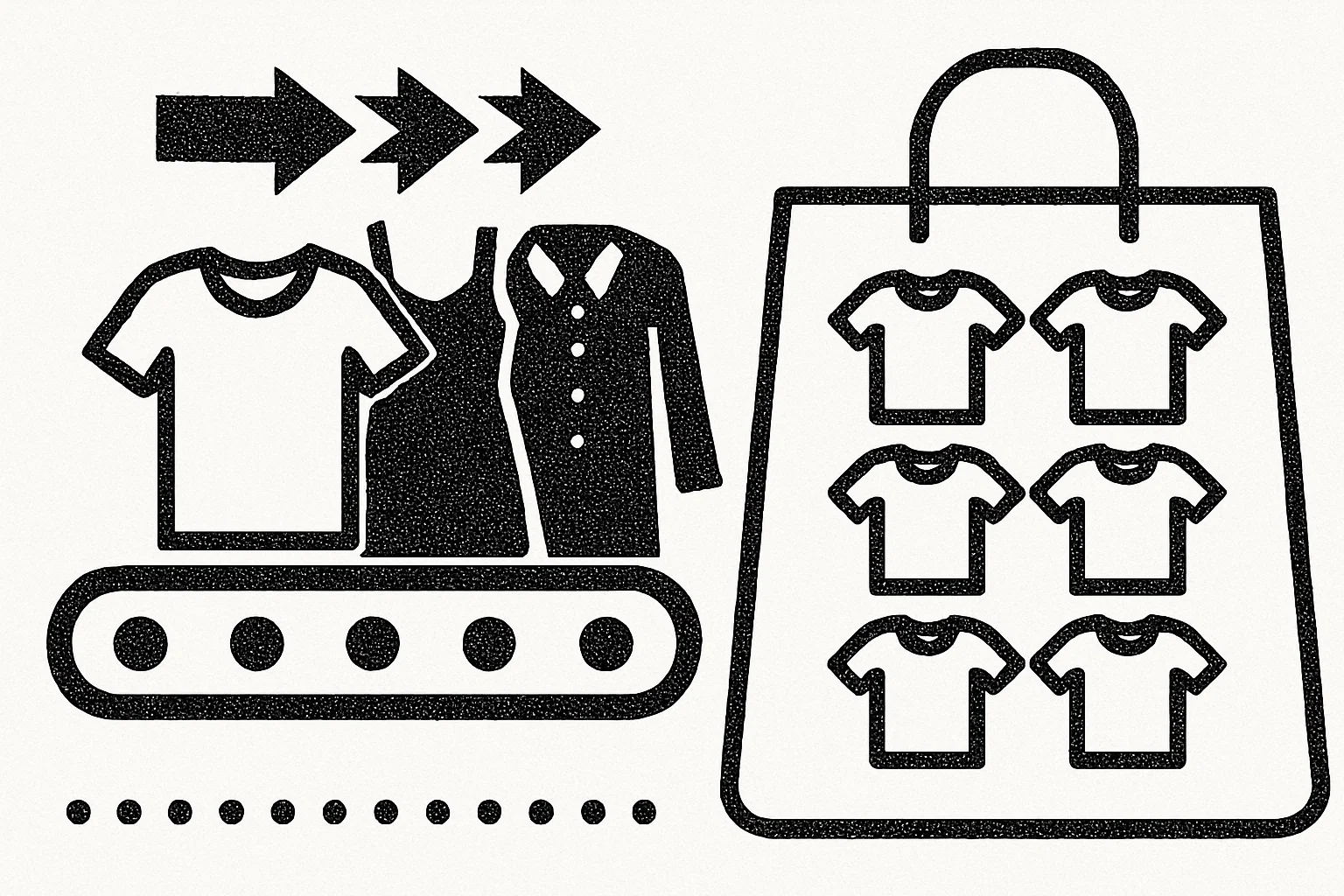
Micro-Collections & FOMO
52 drops/year create artificial scarcity.
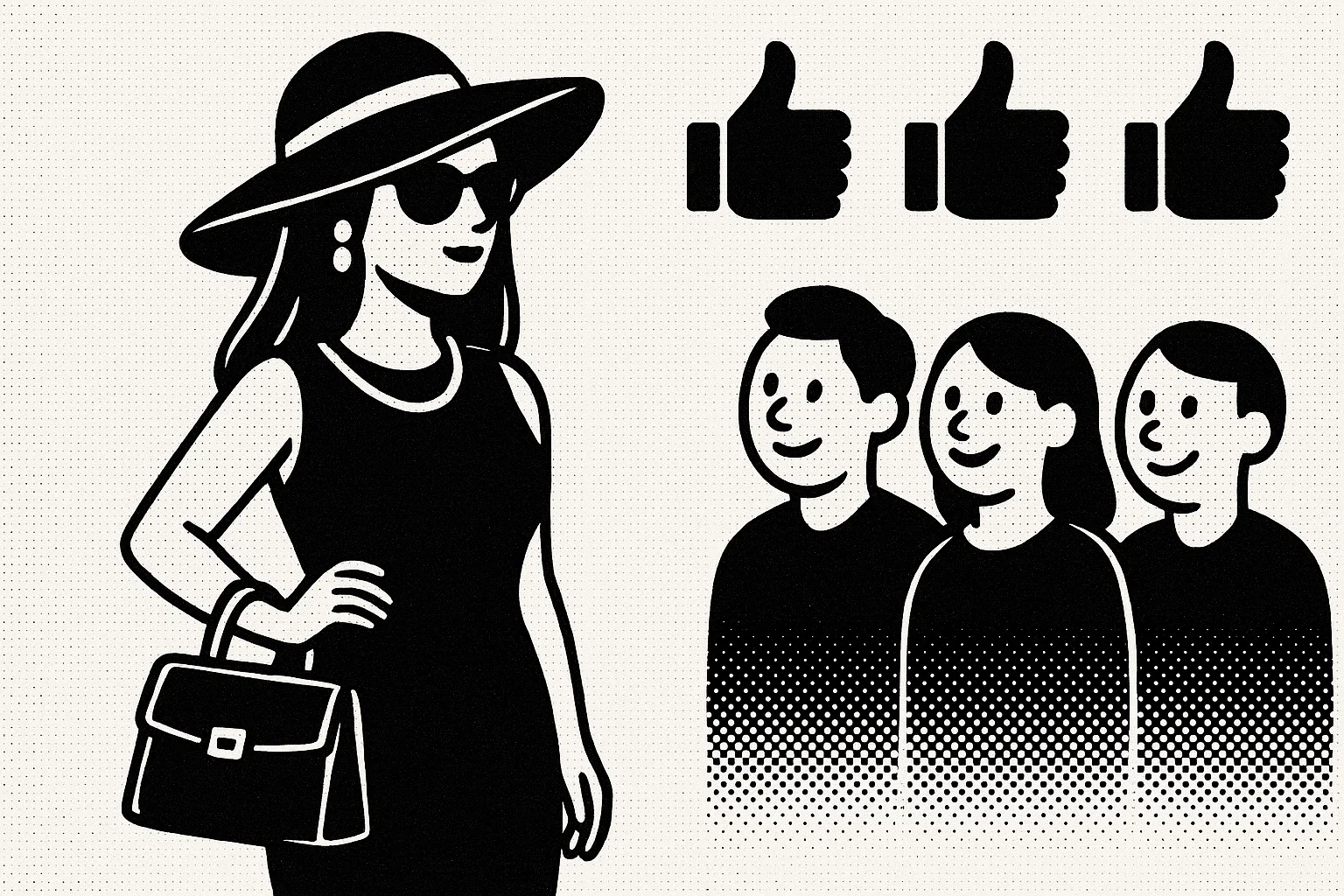
Conspicuous Consumption
Fashion displays wealth and status, driven by need for social validation amplified through likes and shares.
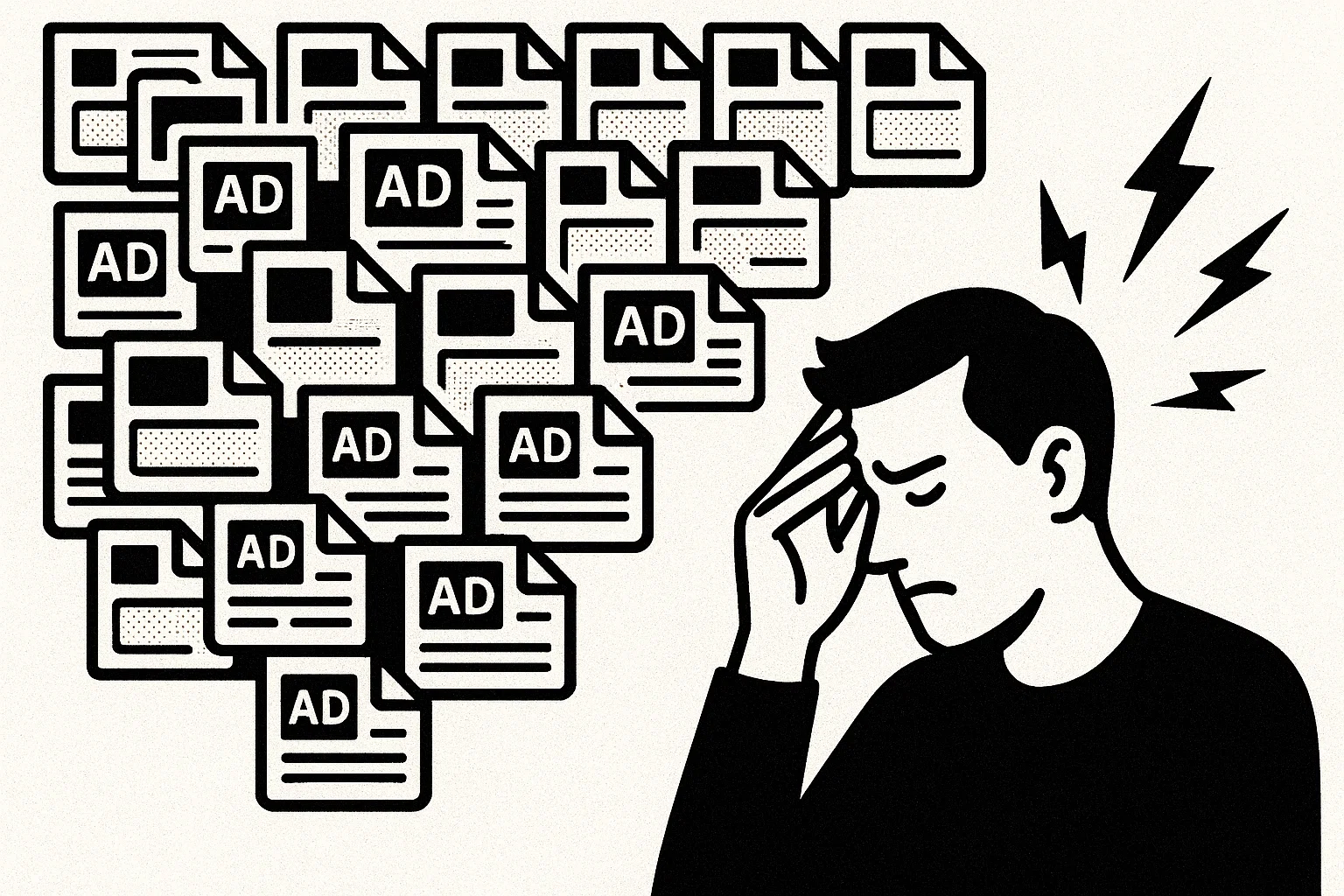
Commercial Bombardment
1,000+ daily messages create chronic cognitive load, making consumers susceptible to heuristic processing.
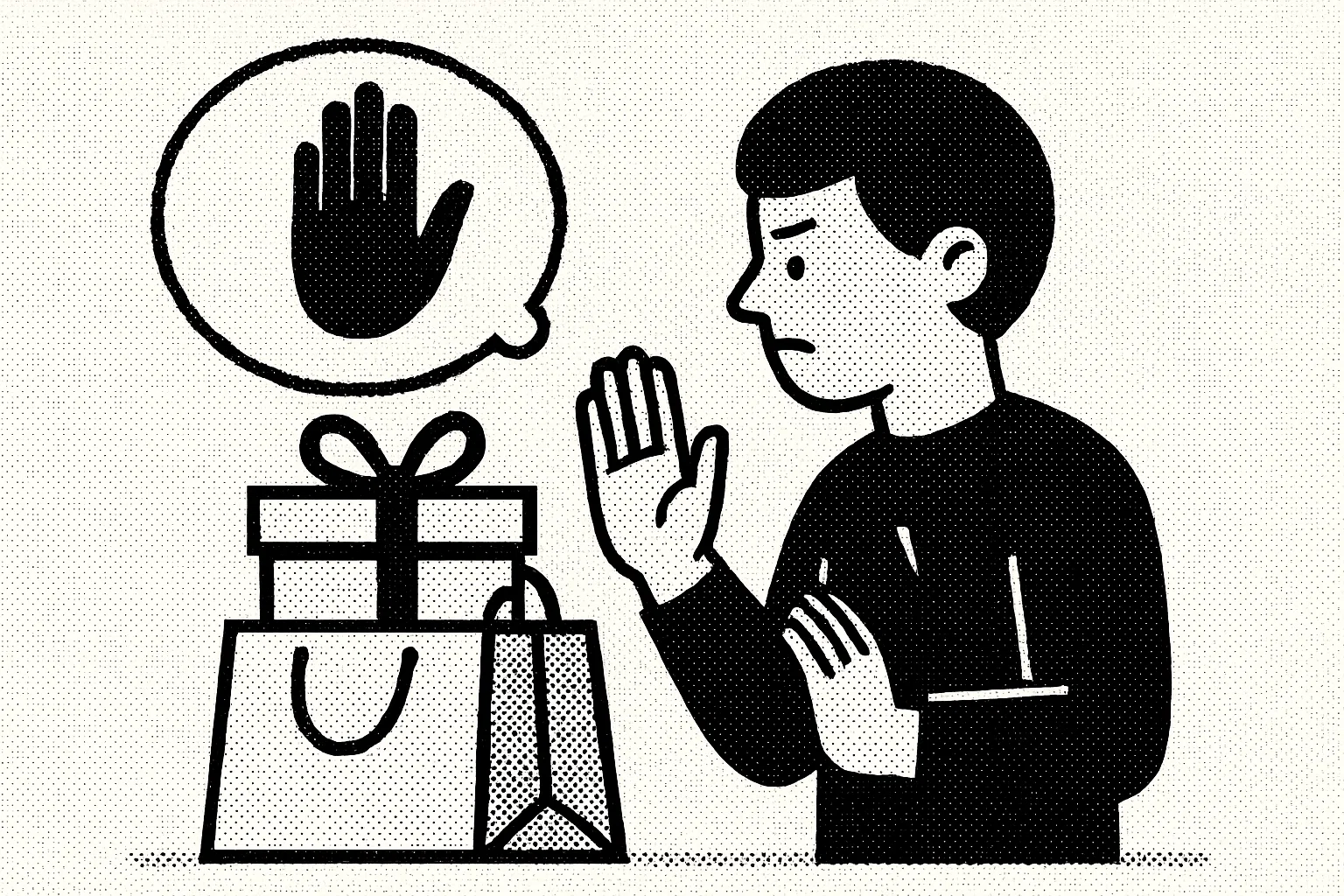
Breakdown of Self-Control
Impulse buying involves desire to buy vs. ability to control urges—retailers exploit low cognitive control periods.
Behavior—Intention Gap
Style and price dominate purchase drivers. Awareness rarely changes behavior when cheap, trendy options exist.
Information isn't enough — effective change requires intervention at the moment of decision.
Effective Strategies
Friction as Feature
Small delays enable reflection, reducing impulses.
Personal Context
Reminders of owned items increase satisfaction.
Non-Judgmental Prompts
Questions avoid reactance.
Implementation Intentions
Pre-commitment and waiting periods help.