Our research draws from behavioral psychology, sustainable fashion studies, and consumer behavior
analysis to understand the mechanisms behind impulse purchasing and potential interventions.
Hover over any book cover to explore key insights
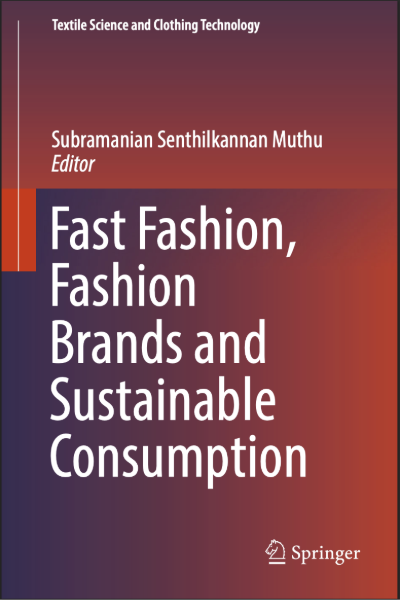
Fast Fashion, Fashion Brands and Sustainable Consumption
(Subramanian Senthilkannan Muthu)
- 52 micro-collections per year create constant obsolescence
- 1 in 10 women wear garments only 3 times before discarding
- Fashion operates on "hedonistic" motivations – shopping as entertainment and dopamine hit
- Social media amplifies consumption – users avoid repeating outfits online
"Fast fashion makes latest styles accessible at cheaper prices, pushing more frequent purchases bought for novelty not durability."
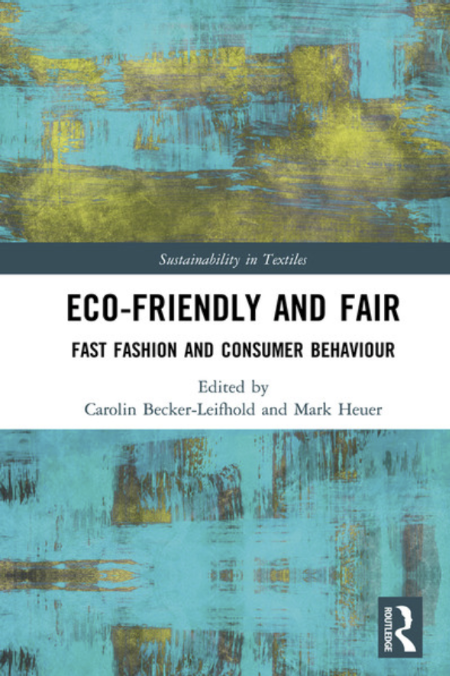
Eco-Friendly and Fair: Fast Fashion and Consumer Behaviour
(Carolin Becker-Leifhold and Mark Heuer)
- Fast fashion capitalizes on identity fluidity and FOMO
- Supply chain flexibility enables disposability culture
- Need for systemic reforms: circularity, eco-materials, policy interventions
"Fast fashion is unsustainable at every stage of the lifecycle—from production to disposal—externalizing costs onto ecosystems and workers."
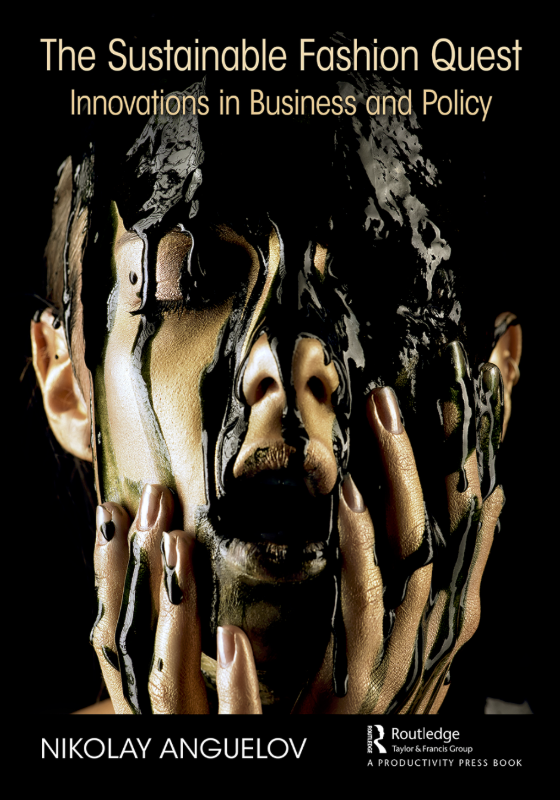
The Sustainable Fashion Quest
(Nikolay Anguelov)
- Primary purchase drivers: style and price (not ecological factors)
- "Buy fewer, better items" campaigns fail when cheap options exist
- Consumers won't opt for expensive alternatives voluntarily
- Industry must establish new consumer trends around sustainability
"Research shows that primary drivers of clothing purchases are style and price, not ecological or social factors."
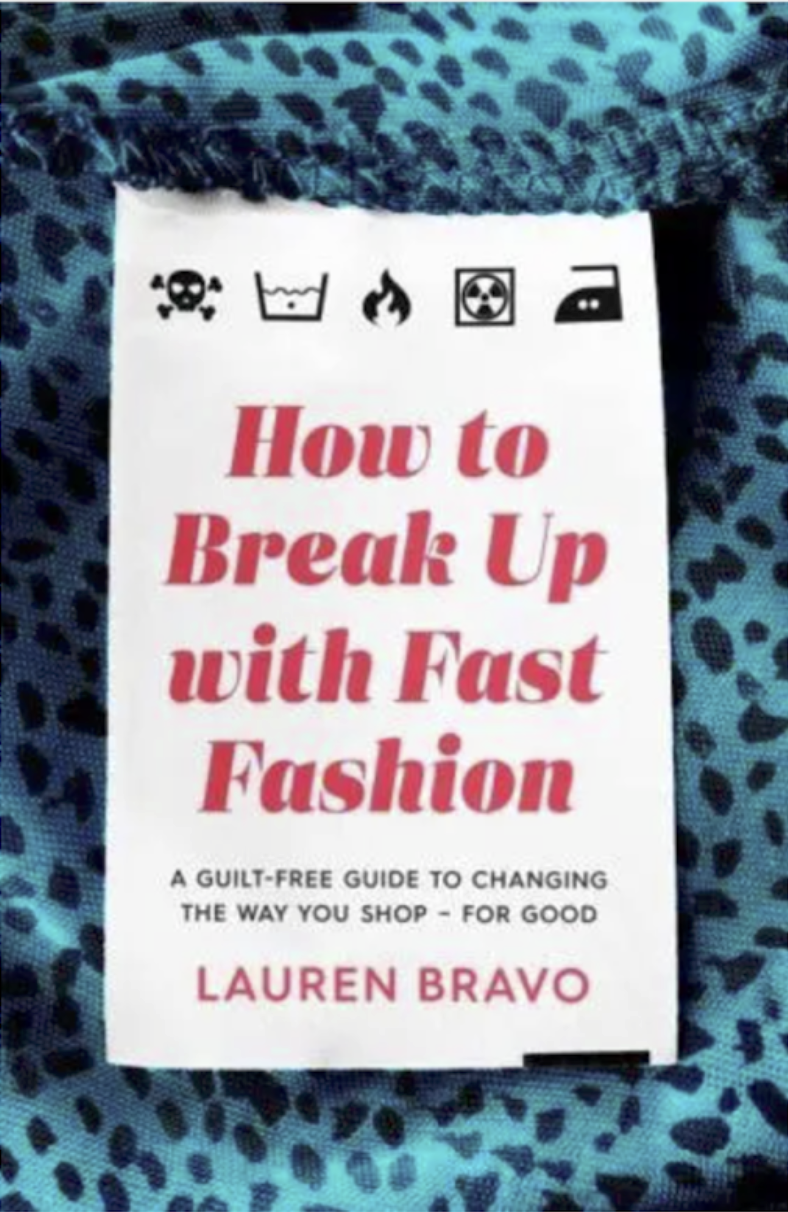
How to Break Up with Fast Fashion
(Lauren Brav)
- "Retail therapy" exploits vulnerabilities – coping mechanism for stress
- Paradox of choice leads to decision fatigue and dissatisfaction
- Strategy: Wardrobe auditing – inventory what you own first
- Waiting periods before purchases reduce impulse buying
"Understanding these psychological triggers is crucial for breaking free from the fast fashion frenzy → more mindful and intentional choices."
The Psychology of Fashion
(Carolyn Mair)
- Fashion is visual communication conveying identity, personality, and values
- Social media amplifies need for validation through likes, comments, and shares
- Over 50% of clothing ends up in landfill within a year of production
"Fashion behavior is driven by the need for social validation and approval—a need that social media platforms amplify exponentially."
The Psychology of Advertising
(Bob M. Fennis & Wolfgang Stroebe)
- Advertising is a ubiquitous force seducing consumers into unwanted purchases
- Average US consumer exposed to 1,000+ commercial messages daily
- Continuous online stimuli creates chronic cognitive load, increasing impulsive choices
"The most serious impulse buying results from goal conflict and breakdown of self-control, leading consumers to purchase products they had a firm intention not to buy."
The literature reveals a consistent pattern: while awareness of fast fashion's environmental impact is growing,
behavioral change remains minimal. The gap between intention and action suggests that information alone is
insufficient. Our intervention targets the critical moment of decision-making, introducing friction not as punishment
but as an opportunity for reflection.